
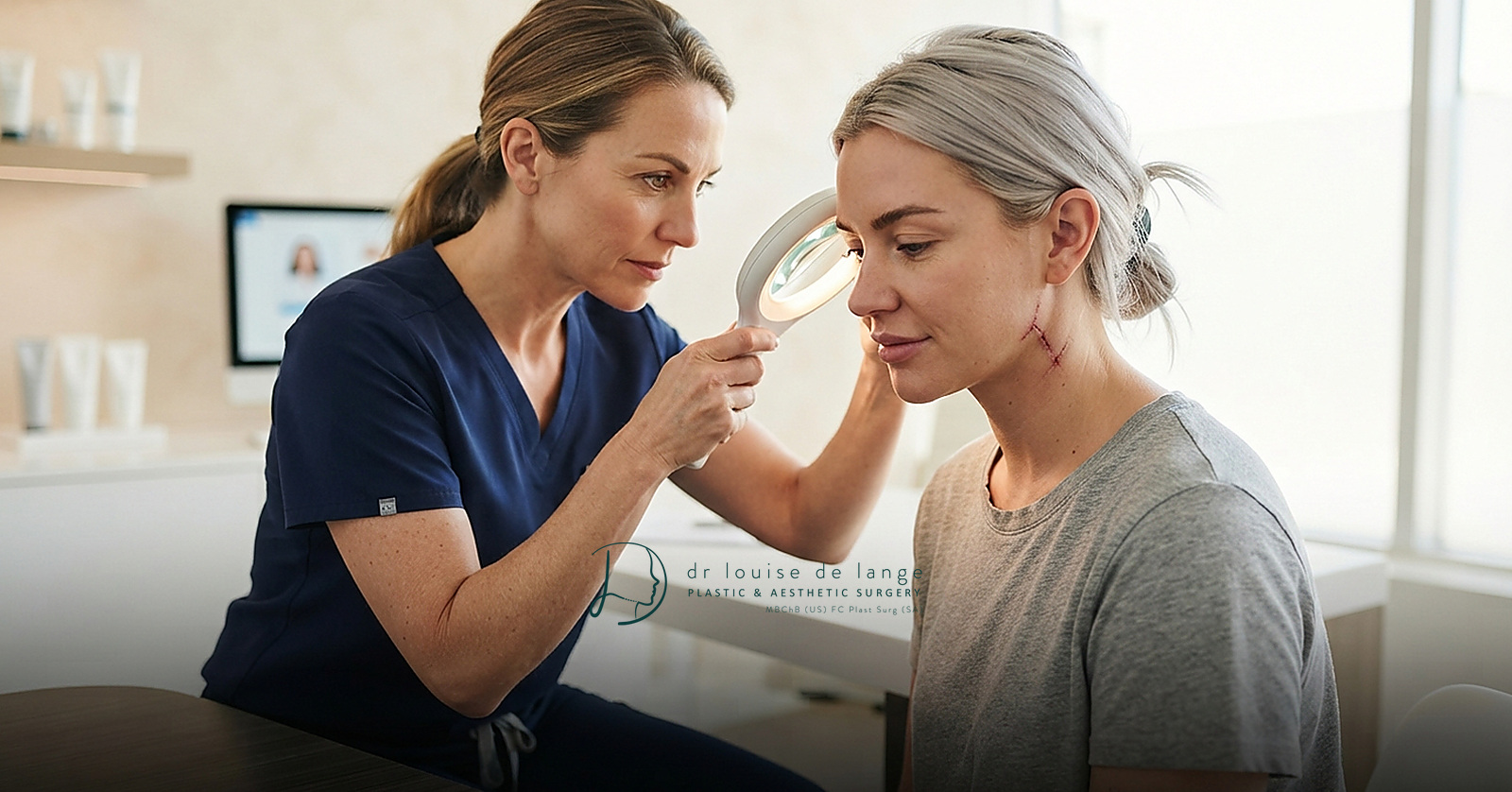
Undergoing facial surgery is a significant step toward achieving your aesthetic or reconstructive goals, but the surgical procedure itself is only the first part of the journey. The final appearance of any incision depends heavily on how the delicate tissue is cared for during the postoperative recovery phase. Proper care for facial scars after surgery requires patience, meticulous attention to daily hygeine, and constant protection against environmental factors.
Every surgical incision triggers a complex biological healing cascade that evolves over several months. By taking proactive, structured steps during each stage of wound maturation, patients can actively support their body's natural repair mechanisms. This comprehensive guide outlines the essential protocols for protecting delicate facial tissue, managing expectations, and understanding when professional scar revision or clinical evaluation may be beneficial.
Immediate Wound Care: The First 48 Hours After Facial Surgery
The acute phase following facial surgery sets the foundation for healthy tissue closure and minimal scar formation. During the initial days, maintaining a sterile and stable environment around the surgical site is paramount to prevent early complications. A light dressing or bandage may be applied for the first few days post-surgery to protect the healing micro-incisions from external contaminants.
Rest and physical caution are particularly important during this immediate postoperative window to prevent increased tissue tension and localized bleeding. In standard post-procedural care routines, showering and driving are typically avoided during the first 48 hours after surgery. Taking this initial downtime allows fragile blood vessels to stabilize and gives the skin envelope an uninterrupted start toward recovery.
Cleanliness must be balanced with gentle handling during the early recovery period to ensure delicate closure lines are not disrupted. Patients showering or bathing the day after facial surgery should avoid allowing the water spray to strike their face directly. Following these initial precautions helps preserve surgical alignment and provides the optimal environment for initial wound healing.
Navigating the First Week: Hygeine, Makeup, and Daily Routine
As the acute phase transitions into early structural tissue repair, maintaining appropriate surgical hygiene remains essential. While it is natural to want to conceal surgical discoloration or early redness, introducing topical products too early can compromise delicate incision edges. Patients should avoid wearing makeup until permitted by their surgeon following surgery.
Adhering to strict product restrictions during early recovery minimizes the risk of foreign particle irritation within the healing dermis. Applying cosmetics over unhealed skin can trap bacteria or trigger localized allergic reactions, potentially exacerbating early tissue inflammation. Resting the face without heavy topical coverings supports unhindered cellular repair during this vulnerable stage.
During your scheduled post-operative reviews, your plastic surgeon will examine the surgical sites to confirm that initial skin closure is progressing safely. Once the superficial skin layer is fully re-epithelialized, your specialist can advise on when gently restarting daily skin care routines is appropriate. Clear communication with your surgical team ensures that each milestone is approached with clinical safety in mind.
Photoprotection Strategies: Defending Healing Tissue Against UV Exposure
Protecting delicate, remodeling skin from solar radiation is one of the most critical factors in determining long-term scar appearance. Fresh surgical wounds lack normal melanin distribution, making them exceptionally sensitive to light and heat. Avoiding direct sun exposure helps prevent hyperpigmentation, reduces prolonged redness and skin pigmentation changes, and supports proper scar maturation.
Unprotected solar exposure can trigger intense cellular reactivity within fragile scar tissue, leading to lasting cosmetic changes. Direct exposure to the sun following surgery increases the risk of sunburn and the development of dark, irregular pigmentation on the face. These pigmentary changes can become permanent if photoprotection measures are neglected during the active recovery window.
Establishing a rigorous daily sun defense strategy must begin as soon as the initial incision dressings are removed and cleared by your doctor. Required photoprotection measures after surgery include avoiding direct sun, wearing sunglasses and a wide-brimmed hat, and applying sunscreen prior to going outdoors. Furthermore, long-term protection from UV exposure is essential for maintaining the quality of a healing scar as the tissue fully matures.
Book a consultation with Dr. De Lange today to discuss your personalized scar care and facial recovery plan.
Recognizing Warning Signs: When to Seek Medical Evaluation
While mild swelling, minor asymmetry, and temporary discoloration are expected during normal post-surgical healing, monitoring for abnormal changes is essential. Clinical signs indicating potential scar complications include persistent swelling, redness, unusual pain, or fluid accumulation. Identifying these symptoms early allows your surgeon to intervene and adjust your aftercare regimen appropriately.
Certain severe localized reactions require immediate surgical assessment to prevent long-term structural or aesthetic complications. Clinical signs such as sudden one-sided swelling, increasing pain, bright redness, heat, fever, bleeding, foul-smelling drainage, or sudden marked asymmetry warrant contacting a surgeon for potential recovery complications. Prompt medical attention helps resolve issues before they alter the scar's permanent trajectory.
In addition to inflammatory signs, monitoring the physical texture and structural evolution of the incision line is important. If a scar becomes thick or ropey during the healing process, a plastic surgeon should be consulted promptly. Early clinical intervention can help guide scar maturation and prevent exaggerated collagen deposition.
Long-Term Scar Maturation and Advanced Revision Options
Scar tissue evolves continuously over twelve to eighteen months, gradually softening, flattening, and fading in color. However, individual biological responses, genetics, and anatomical location can sometimes result in suboptimal scar healing despite diligent aftercare. In such cases, evaluating professional clinical options under specialist guidance can help refine the final outcome.
When a mature scar remains raised, wide, or distorted, surgical Scar revision may be discussed during a consultation to re-align tissue planes and improve contour harmony. Depending on the tissue characteristics, non-surgical approaches such as Microneedling, professional chemical treatments like Pro Power Peel, or targeted resurfacing therapies may be considered to refine skin texture and tone safely.
Understanding that scar management is an ongoing, individualized process provides peace of mind throughout the post-surgical timeline. Combining patient diligence at home with specialist oversight ensures that delicate facial structures heal as smoothly and discreetly as possible. A tailored evaluation allows Dr. De Lange to recommend the most effective approach for your specific tissue profile.
Consultation and Surgical Planning with Dr. De Lange
A successful surgical experience relies on comprehensive planning long before any incision is made. During an initial clinical consultation, Dr. De Lange performs a detailed structural evaluation of your skin quality, anatomical proportions, and medical history. This thorough assessment ensures that both the surgical technique and postoperative aftercare plan are tailored to your unique anatomical needs.
Whether you are considering primary procedures such as Blepharoplasty, Rhinoplasty with endonasal approach, or Deep plane facelifts, incision placement is carefully strategized along natural anatomical shadows to minimize scar visibility. Patients receive clear, written guidance on preoperative preparations and postoperative wound protocols to support optimal biological healing from day one.
Choosing a qualified specialist who prioritizes patient safety, technical precision, and ongoing postoperative support ensures that your surgical journey is clear and well-managed. Open communication during follow-up reviews allows for continuous monitoring of scar evolution and timely adjustments to aftercare protocols, delivering refined, natural-looking results over time.