For many individuals, lower eyelid swelling, persistent under-eye bags, or puffiness can create a tired appearance that does not reflect how energetic they truly feel inside. Lower blepharoplasty is a specialized facial plastic surgery procedure designed to address excess fat, lax skin, and tissue contour in the delicate under-eye area. Understanding the lower blepharoplasty recovery process is essential for anyone considering this transformation, as knowing what to expect during healing fosters peace of mind and optimal outcomes.
The path to refreshed, smooth under-eye contours requires patience, diligence, and strict adherence to postoperative care instructions. While every patient heals at their own unique pace, following a clear day-by-day healing framework helps demystify the recovery timeline. In this guide, we explore the primary postoperative stages, crucial care guidelines, red flag symptoms, and realistic timelines for returning to daily life and appreciating your final aesthetic results.
Understanding Lower Blepharoplasty and Initial Preparation
Lower eyelid surgery focuses on restoring a smoother transition between the lower lid and the upper cheek area. Before undergoing surgery, a detailed consultation with Dr. De Lange is essential to evaluate facial anatomy, skin elasticity, and personal aesthetic goals. During this initial discussion, patients learn how surgical techniques are tailored to their specific needs, ensuring clear expectations regarding both outcomes and the subsequent recovery phase.
Proper preparation plays a fundamental role in laying the foundation for a smooth healing process after lower eyelid surgery. Preparing your recovery environment at home with necessary supplies, comfortable pillows, and soft ice packs ensures immediate comfort upon returning post-procedure. Understanding the physical demands of early recovery allows patients to arrange adequate time off work and temporary support for household responsibilities.
Patients are encouraged to ask comprehensive questions during their initial surgical evaluation to feel fully confident in their decision. Inquiring about specific postoperative milestones, medication guidelines, and follow-up schedules helps remove ambiguity surrounding the healing timeline. Preparing physically and mentally fosters a calm environment, which is inherently beneficial for tissue repair during the early stages.
The First 48 Hours: Managing Immediate Postoperative Symptoms
The immediate period following eyelid surgery is dedicated to rest, quiet care, and proactive symptom management. During the first few days of eyelid surgery recovery, patients should naturally expect localized swelling, mild discomfort, and variable degrees of bruising around the delicate lower eyelid region. Feeling slight tightness or mild irritation is a normal physiological response as the tissue begins its complex healing process.
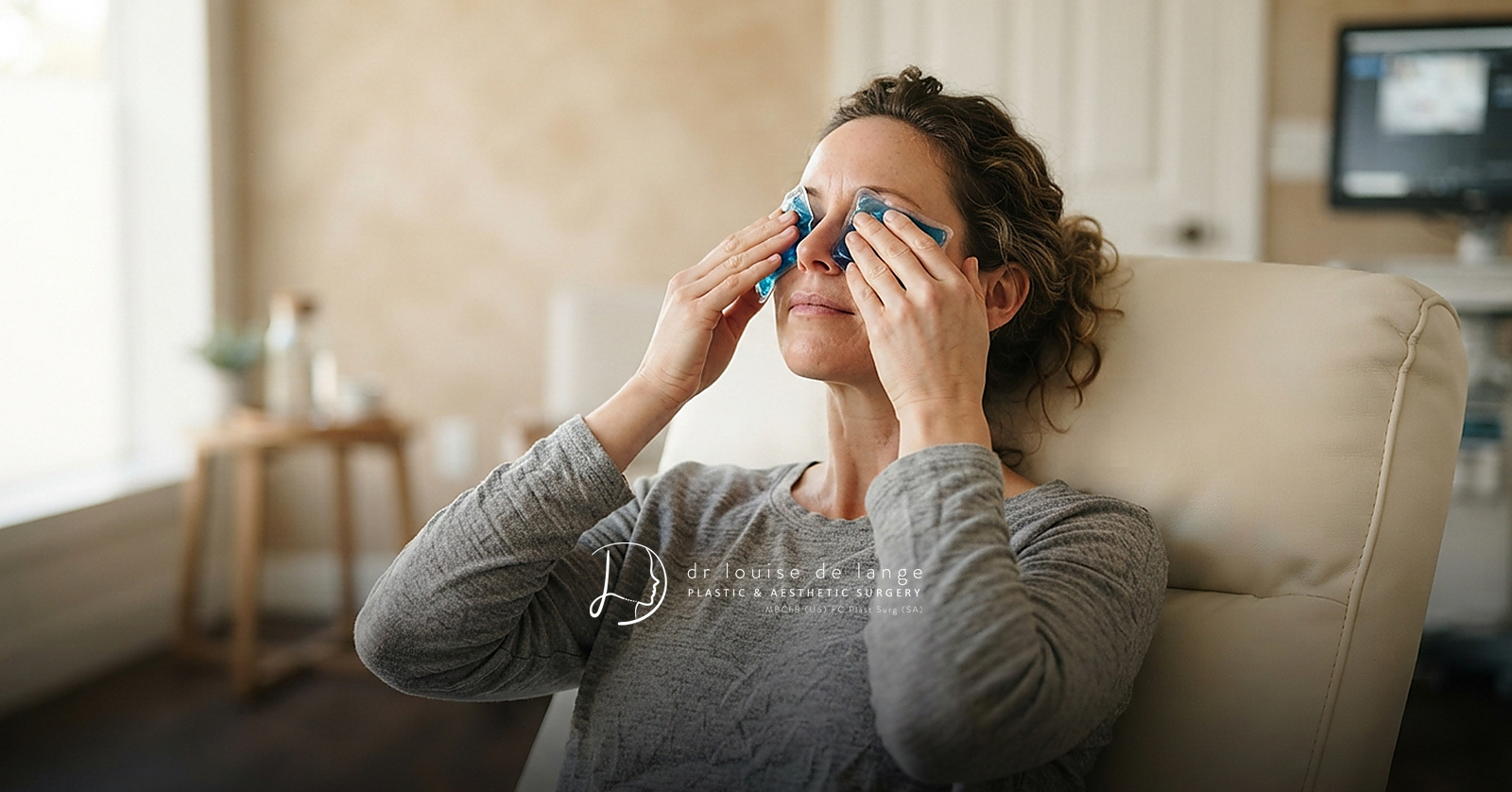
To effectively control localized inflammation, applying cold packs or cold compresses directly to the eyelids during the first 48 hours helps minimize swelling and discomfort significantly. Patients must ensure that compresses are applied gently without exerting excessive pressure on the surgical sites. Resting in a quiet, comfortable space allows the body to dedicate its full energetic resources toward early cellular repair.
Another vital instruction during the initial 48-hour recovery window involves proper resting posture. Keeping the head elevated during sleep and rest during this initial recovery period helps diminish post-operative swelling and bruising after blepharoplasty. Utilizing multiple pillows or a wedge pillow maintains an inclined angle, preventing fluid accumulation around the eyes and promoting efficient lymphatic drainage overnight.
Days 3 to 7: The Early Healing Phase and Suture Removal
As the recovery transitions into the first full week, acute inflammation typically reaches its peak before gradually beginning to subside. Patients may observe changes in bruise coloration ranging from deep purple to yellowish tones as blood pigments break down naturally. Consistently following postoperative guidelines regarding rest, wound care, and gentle movement aids the body in clearing these temporary side effects smoothly.
Medication management remains a crucial consideration throughout the first week of lower eyelid healing. Certain over-the-counter pain medications like Advil, Motrin, Naproxen, Aleve, and aspirin must be strictly avoided post-blepharoplasty due to an increased risk of bleeding. Patients should strictly adhere to approved pain management options recommended during their consultation with Dr. De Lange to protect healing blood vessels.
Toward the end of the first week, patients usually return to the clinic for an essential milestone assessment. Stitches following eyelid surgery are typically removed about one week after the procedure, often around day seven depending on individual skin healing. The removal of sutures marks a major step forward, usually accompanied by a noticeable reduction in skin tightness and enhanced overall eyelid comfort.
Schedule a personalized consultation for lower blepharoplasty with Dr. De Lange to discuss your individual aesthetic goals.
Weeks 2 to 3: Returning to Daily Routines and Protection
Entering the second week marks a gratifying phase where acute post-surgical signs fade dramatically. Most swelling and noticeable bruising following lower blepharoplasty resolve within 2 weeks of the operation. As skin coloration normalizes and tissue contour improves, patients begin to get a clearer glimpse of their refreshed under-eye appearance.
Social confidence typically rebounds during this period as visible signs of surgery diminish. Many patients can return to work and social activities within 5 to 10 days following lower blepharoplasty, while most feel fully ready and comfortable returning to social environments by two weeks. Patients generally feel well enough to resume normal daily activities around the tenth day of blepharoplasty recovery.
Environmental protection is vital during early outdoor excursions as delicate skin heals. Patients should wear dark sunglasses for the first two weeks post-surgery to protect their eyes from sun and wind irritation. Shielding sensitive tissue from direct sunlight and harsh elements minimizes the risk of prolonged redness or dark hyperpigmentation along healing incision lines.
Activity Restrictions and Protecting Healing Tissues
While light walking and normal daily movement are encouraged during recovery, physical exertion must be carefully regulated. Increased blood pressure and cardiovascular strain can provoke secondary swelling or fluid retention in fragile tissue beds. Understanding the distinction between safe daily movement and harmful physical strain is essential for preserving surgical refinements during the first month.
Specific guidelines dictate when vigorous physical activities can be safely resumed after lower eyelid surgery. Strenuous activities, heavy lifting, straining, and swimming should be avoided for ten to fourteen days during initial recovery. Depending on individual healing rates and surgical scope, strenuous activity may need to be avoided for at least 3 weeks after surgery.
Adhering strictly to these physical boundaries ensures that internal tissue layers consolidate without unexpected complications. Engaging in swimming prematurely, for instance, introduces risks of infection from water exposure or irritation from chlorine. Patience during this transitional period safeguards the delicate structural work performed beneath the lower eyelid skin.
Recognizing Warning Signs and When to Contact Your Surgeon
Although lower eyelid blepharoplasty is a established procedure with high patient satisfaction, monitoring recovery closely is paramount. Patients must maintain clear communication with their surgical team throughout the healing period. Being aware of normal recovery variations versus unexpected symptoms empowers patients to act promptly if concerns arise.
According to general post-operative recovery guidance, patients should contact their surgeon immediately if they experience increased pain, swelling, redness, bleeding, fever, nausea, shortness of breath, or chest pains. Prompt reporting allows the medical team to evaluate symptoms quickly and provide precise guidance or reassurance tailored to the situation.
Additionally, patients recovering from eyelid surgery should seek immediate medical evaluation if they experience persistent or worsening pain, unusual swelling, sudden bruising, sudden one-sided swelling, bright redness or heat, foul-smelling drainage, sudden marked asymmetry, or changes in eyelid position or vision. Immediate professional assessment ensures proper intervention if any red flag symptoms occur.
Long-Term Results and Final Aesthetic Transformation
The transition from the immediate recovery phase to fully matured aesthetic outcomes requires time and realistic expectations. While major swelling disappears within weeks, subtle microscopic swelling within deeper tissue layers continues to refine gradually over several months. Understanding this subtle timeline prevents unnecessary anxiety during the early postoperative weeks.
Patients often inquire when they will be able to appreciate their true, definitive surgical outcome. Results from lower eyelid surgery are typically visible within three to four months, as tissues soften completely and settle into their permanent contours. The refreshed under-eye area delivers a more rested, youthful appearance that harmonizes naturally with surrounding facial features.
Maintaining long-term results involves practicing consistent skin care, sun protection, and healthy lifestyle habits. Scheduling periodic follow-up appointments with Dr. De Lange allows for accurate monitoring of your long-term aesthetic journey. Investing care during recovery pays dividends in long-lasting, natural-looking satisfaction with your under-eye appearance.