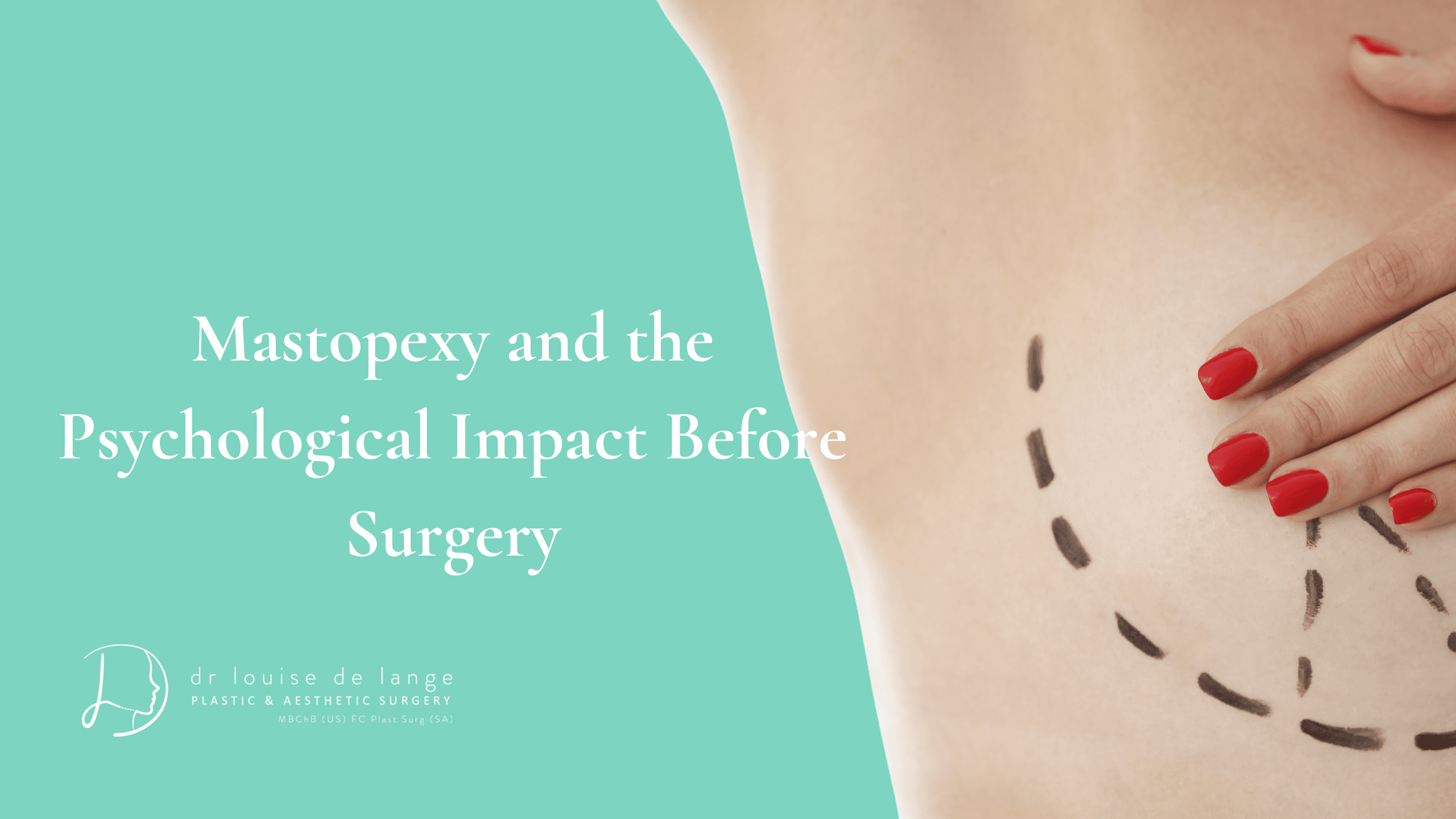
For many women considering cosmetic enhancement, deciding to undergo a breast lift is an important personal milestone. Beyond selecting a qualified specialist, understanding the optimal timing for your surgery can significantly influence your overall recovery experience and aesthetic result. Planning a mastopexy during the winter or early spring months provides a distinct seasonal advantage, allowing the body ample time to heal comfortably before warmer weather arrives.
Proper mastopexy preparation involves more than just physical readiness; it requires a thoughtful timeline that aligns with your lifestyle and personal goals. By scheduling your surgical journey well in advance of the summer season, you can manage post-operative care discreetly and allow the tissues to settle naturally. This article explores why early seasonal planning is essential and what steps you can take to ensure a smooth recovery.
Understanding Mastopexy and Strategic Seasonal Timing
A mastopexy, commonly known as a breast lift, is a specialized surgical procedure designed to reshape and elevate sagging breast tissue, restoring a more youthful contour. Over time, factors such as aging, gravity, and weight fluctuations can affect skin elasticity and breast position. While the operation can be performed successfully year-round, undergoing surgery during colder months offers unique practical benefits.
Scheduling surgery in cooler weather helps limit sun exposure during recovery, which prevents worsening scars. When incisions are protected from aggressive sunlight, the delicate healing skin is much less prone to long-term hyperpigmentation or discoloration. Winter scheduling allows patients enough time to heal before exposing surgical areas to UV rays during the warmer summer months.
Additionally, wearing post-operative supportive garments and loose layers is far more comfortable during cooler seasonal temperatures. Patients can recover discreetly at home without the discomfort of managing bulky compression garments in extreme heat. Choosing to plan your procedure before spring creates a seamless buffer between your initial healing phase and summer outdoor activities.
The Timeline of Physical Recovery After Mastopexy
Understanding the stages of recovery allows prospective patients to set realistic expectations and prepare their schedules accordingly. Following a mastopexy, patients are advised to rest and refrain from any strenuous activity for at least 48 to 72 hours. During this initial healing phase, adequate rest is crucial to facilitate proper tissue recovery and minimize early complications.
In general terms, it typically takes one to two weeks to recover from a breast lift procedure. During the early post-operative period, patients may feel specific physical sensations; stiff and sore sensations in the chest region may last for two to five days post-surgery. Patients can typically return to work 7 to 10 days after a mastopexy procedure, depending on the physical demands of their employment.
Full physiological healing continues gradually over the following months as tissues settle into their new shape. Breast swelling following a mastopexy procedure may persist for 4 to 6 weeks. Adhering closely to your surgeon's post-operative guidelines helps ensure that tissues heal safely while reducing the risk of undue strain on incision lines.
Managing Activity and Sunlight Protection Before Summer
Resuming daily habits and active routines requires a gradual approach to protect the surgical outcome. Strenuous physical activity should be avoided for at least two weeks after surgery, followed by careful protection of the breasts for the subsequent month. Rushing back into demanding physical exercise prematurely can compromise incision integrity and prolong tissue swelling.
For sports enthusiasts, full clearance for athletic pursuits requires patience and professional guidance. Participation in sports is typically permitted 6 to 8 weeks after a mastopexy, depending on individual healing progress. Timing your surgery in late winter ensures that this mandatory rest period is completed well before warm-weather sporting activities begin.
Sun protection is another critical aspect of recovery that benefits from early spring planning. Patients should avoid exposure to direct sunlight or tanning for about six weeks following surgery until most swelling and bruising subside. Following a plastic surgeon's advice on pre- and postoperative care helps make mastopexy scars significantly less noticeable over time.
Schedule a personal consultation with Dr. De Lange to evaluate your surgical goals and plan your mastopexy timing.
Essential Preoperative Preparation Steps
Thorough preparation before surgery helps ensure safety and minimizes stress on the day of the procedure. Dr. Louise de Lange encourages patients to discuss both their physical goals and emotional concerns prior to undergoing surgery. Open communication allows the surgeon to tailor the surgical plan to the patient's individual anatomical needs and aesthetic expectations.
Medical preparation includes specific health evaluations and lifestyle modifications. Patients undergoing a breast lift procedure may be advised to get a mammogram prior to surgery to establish baseline tissue health. Preoperative instructions before surgery typically advise stopping smoking and avoiding aspirin, certain anti-inflammatory drugs, and herbal supplements that increase bleeding risks.
Optimizing overall health beforehand plays a key role in supporting the body's natural recovery mechanisms. Making simple lifestyle adjustments such as getting proper sleep, balanced nutrition, and gentle exercise helps prepare the body and mind before a mastopexy. A well-nourished body heals more efficiently, reducing recovery discomfort.
Logistical Planning and Family Considerations
Preparing your home environment and social support network is a critical element of pre-operative planning. Because a breast lift is generally performed as an outpatient procedure, patients must arrange transportation home and overnight support for the first night. Having a reliable adult available ensures immediate needs are met post-discharge.
For parents, managing child care needs in advance helps prevent accidental physical strain during early recovery. Patients with children under five years old are advised to secure childcare assistance for at least one week post-procedure. Avoiding heavy lifting, including picking up young children, protects fragile internal sutures and delicate surgical corrections.
Long-term family planning is also an important factor when deciding on the timing of a breast lift. Women planning to have children may want to delay breast lift surgery, as pregnancy can stretch the breasts and alter the results. Discussing your future plans with your surgeon during the consultation helps determine if the timing is right.
What to Consider During Your Surgical Consultation
An initial consultation is an opportunity to learn about surgical techniques and clarify expectations. During this meeting, your specialist will examine your tissue elasticity, assess the degree of ptosis, and recommend an individualized surgical approach. Patients may also discuss complementary procedures, such as breast augmentation or breast reduction, depending on whether volume changes are desired alongside tissue elevation.
Preparing a list of questions can help you gain clarity during your appointment. You may inquire about incision placement, expected recovery milestones, and guidance on post-operative care garments. Exploring options early allows sufficient time for required medical clearances and scheduling flexibility.
Selecting a board-certified specialist who prioritizes patient safety and personalized care is crucial. To explore other aesthetic concerns, patients can also discuss procedures such as deep plane facelifts or abdominoplasty if comprehensive body contouring is desired over time. Booking your consultation early in the season ensures you secure your preferred surgical date without unnecessary delay.
how do i know if i need a breast lift with implants?
During an individualized clinical evaluation, your surgeon assesses both tissue position and volume. If sagging (ptosis) is accompanied by a significant loss of upper-pole fullness, combining a mastopexy with breast augmentation may be discussed to achieve both elevation and restored volume.
what is a mastopexy augmentation?
A mastopexy augmentation is a combined procedure where a breast lift is performed alongside breast augmentation using implants to simultaneously remove excess skin, reposition sagging tissue, and restore lost breast volume.
Book a personalised consultation with Dr. De Lange and her team of experts today.