
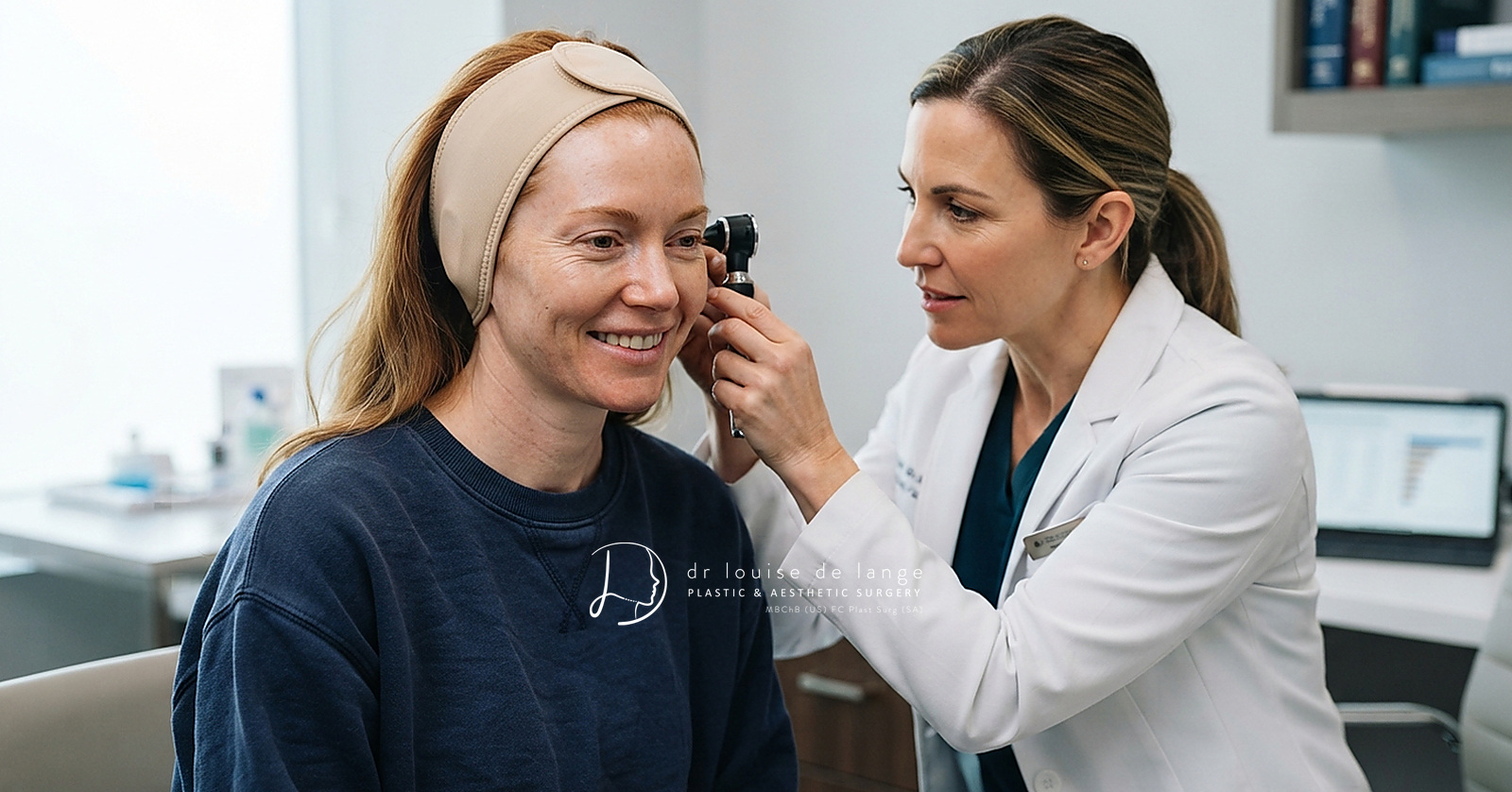
For individuals seeking to reshape or reposition protruding ears, Otoplasty offers a targeted surgical path toward enhanced facial balance and personal confidence. While the surgical technique itself is meticulously executed to refine ear contours, achieving a successful and aesthetic outcome depends significantly on the post-operative recovery phase. Understanding how to support tissue healing and mitigate risks allows patients to navigate their post-surgical journey with clarity and peace of mind.
Preventing post-operative complications requires a proactive partnership between the patient and the surgical team. Following structured post-operative guidelines helps protect delicate cartilage modifications while ensuring that healing progresses smoothly. By adhering to recommended aftercare measures, patients play a direct role in safeguarding their surgical investment and promoting optimal long-term results.
Understanding Potential Otoplasty Complications
Although surgical ear correction is generally considered a highly safe procedure, undergoing any surgical intervention carries inherent biological risks. Potential complications following otoplasty include hematoma formation, infection, and unsatisfactory aesthetic results such as asymmetry, cartilage relapse, or visible scarring. Patients may also encounter specific risks such as cartilage infection, over-correction or under-correction, and recurrence of ear protrusion over time. Furthermore, while overall complication rates remain low, long-term considerations can include permanent scarring or numbness of the face or ear area.
Awareness of these risks allows patients to recognize early biological signals and respond appropriately during the recovery period. Delayed healing and localized wound issues can occasionally occur if incisions are subjected to undue stress or poor hygiene. By discussing these factors during consultations, individuals gain a realistic perspective on what normal healing entails versus symptoms that warrant professional review.
Establishing a clear baseline of understanding before surgery helps minimize post-surgical anxiety and fosters adherence to medical advice. Dr. De Lange emphasizes patient education as a foundational element of safe aesthetic practice. When patients comprehend the biological mechanisms behind wound repair, they are better equipped to protect their surgical refinements.
Essential Care for Head Bandages and Wound Hygiene
Protecting surgical incisions in the immediate aftermath of surgery is critical to preventing bacterial contamination and structural disruption. During otoplasty recovery, patients should maintain their protective dressing in place for three to five days after surgery or as instructed by their doctor. This initial head bandage serves to secure the reshaped ear structures, manage early swelling, and act as a physical barrier against external irritants.
Once initial surgical dressings are removed under medical supervision, ongoing home wound care requires delicate handling and attention to detail. Patients should strictly follow their surgeon's instructions regarding when to remove dressings and may be required to apply antibiotic ointment to the ears for home wound care. Proper hygiene protocols ensure that incision lines behind the ear remain clean, reducing the risk of superficial or cartilage-level infections.
Patients are encouraged to prepare their home environment in advance with clean linens and prescribed topical treatments. Avoiding premature manipulation or picking at healing incision sites protects the delicate skin envelope. If any questions arise regarding proper cleaning techniques, contacting the surgical clinic ensures safe guidance tailored to individual healing progress.
Sleeping Positions and Physical Rest Restrictions
Modifying rest habits is one of the most vital adjustments required during early ear surgery recovery. To prevent pressure and discomfort on the ears after otoplasty, patients should avoid sleeping on their side and instead sleep on their back with their head elevated. Following ear surgery, patients should recline with the head elevated and avoid placing pressure directly on the operated ear to prevent throbbing and discomfort. This elevated position aids lymphatic drainage and prevents unnecessary physical friction against healing tissue.
Sleeping flat or on the side should be strictly avoided during early recovery, with strong recommendations to sleep on the back with the head elevated to reduce swelling and pressure on healing tissues. To protect against accidental trauma while sleeping following ear surgery, a soft headband is often recommended at night for 4 to 6 weeks. This headband maintains ear positioning and guards against accidental bending during nocturnal movement.
In addition to resting adjustments, physical activity restrictions must be carefully respected to safeguard internal repairs. Strenuous exercise and heavy physical activities should be avoided during the initial recovery phase to prevent spikes in blood pressure, swelling, or bleeding under the skin. Taking adequate time off demanding daily tasks allows tissue layers to consolidate safely without vascular strain.
Book a consultation with Dr. De Lange to discuss your otoplasty recovery plan.
Protecting Healing Ears During Daily Routine
Resuming routine activities requires a cautious approach that prioritizes environmental and physical protection. Patients recovering from otoplasty should avoid swimming for 3 to 4 weeks to reduce infection risks and protect incision sites from waterborne pathogens. Limiting exposure to public pools, lakes, or hot tubs ensures that fragile surgical incisions remain sterile and undisturbed.
Longer-term activity adjustments are particularly crucial for individuals engaged in competitive or recreational sports. Contact sports such as football, basketball, or martial arts should be avoided for 4 to 6 weeks following otoplasty to prevent direct trauma to the ears. Accidental blunt impact during early maturation can disrupt delicate cartilage sutures and compromise aesthetic outcomes.
Simple daily habits, such as wearing button-up shirts instead of tight overhead clothing, can also prevent accidental tugging on the ear structures. During follow-up appointments, your specialist will evaluate individual tissue healing and provide clear authorization before you resume higher-intensity movements or athletic endeavors. Patience during this transitional period safeguards long-term structural harmony.
Recognizing Warning Signs and When to Contact Your Surgeon
While most post-operative journeys proceed smoothly, staying vigilant regarding potential red flag symptoms is essential for patient safety. A hematoma following otoplasty involves blood accumulation under the skin and may necessitate additional medical intervention. Early identification of fluid accumulation allows for prompt evaluation and management before tissue pressure increases.
Clear warning signs require immediate communication with your surgical care team. Patients recovering from otoplasty should contact their surgeon immediately if they observe severe ear disproportion, particularly when fluid seems to be gathering in an ear. Furthermore, patients undergoing otoplasty recovery are advised to seek immediate medical contact if excessive bleeding occurs in or around the ears.
Prompt medical assessment ensures that unexpected complications like hematomas or localized infections are managed effectively, preserving both safety and cosmetic contours. Patients should never hesitate to reach out to clinic staff if they experience unexpected spikes in pain, localized heat, or persistent asymmetrical swelling. Open lines of communication remain a vital element of postoperative care.
Consultation and Surgical Planning with Dr. De Lange
Achieving natural, harmonious results through facial surgery begins with a thorough initial consultation tailored to your individual anatomical features. During your meeting, Dr. De Lange evaluates ear cartilage flexibility, skin quality, and overall structural proportions to design an individualized surgical plan. This accurate assessment ensures realistic expectations and personalized guidance regarding early aftercare.
Surgical planning includes detailed discussions on pre-procedure preparation, recovery timelines, and specific measures to minimize postoperative risks. Depending on comprehensive aesthetic goals, treatment plans may focus solely on surgical ear correction or explore complementary facial procedures like Rhinoplasty with endonasal approach or Scar revision when indicated. Transparent communication lays the foundation for safe, comfortable outcomes.
Choosing a qualified plastic surgeon guarantees high technical expertise and strict adherence to patient safety standards throughout the surgical journey. Every patient receives attentive follow-up monitoring to confirm that tissue healing progresses predictably. By entrusting your care to an experienced professional, you ensure that structural enhancements remain safe, balanced, and durable.
Book a consultation with Dr. De Lange today to evaluate your options for safe otoplasty surgery.