The integration of 3D technology in plastic surgery has radically transformed the relationship between surgeons and patients, reshaping expectations, communication, and clinical decision-making.
Among the most innovative platforms, Crisalix stands out as a pioneering solution that enables patients to visualize potential outcomes before undergoing any procedure. This technological leap strengthens trust, enhances predictability, and supports a more patient-centered approach.
In this article, we explore how 3D imaging and simulation tools have redefined the aesthetic medicine landscape, what makes systems like Crisalix so influential, and how the broader adoption of advanced visualization technologies enhances the quality and safety of aesthetic procedures.
The Evolution of 3D Visualization in Modern Plastic Surgery
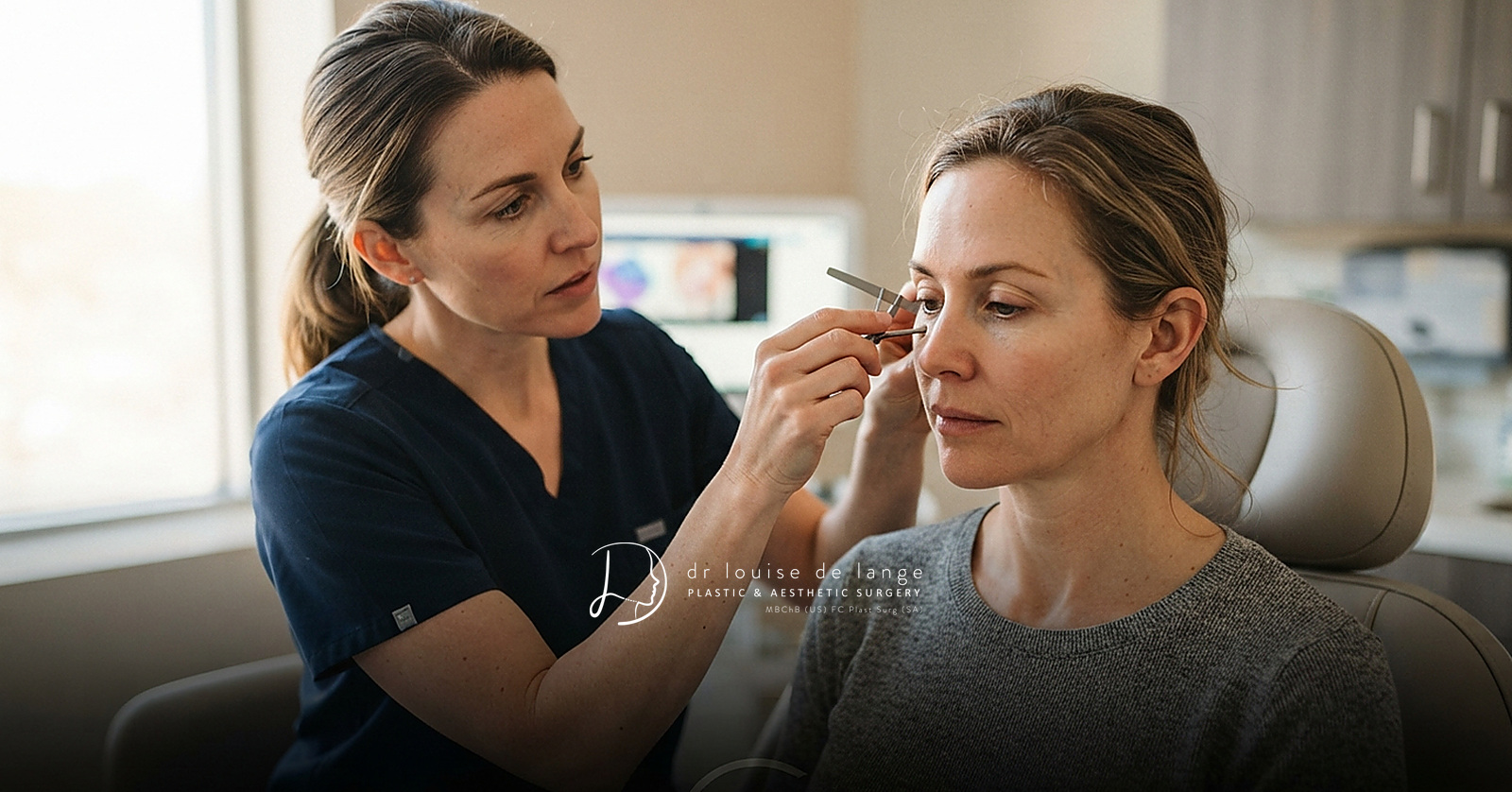
Before the emergence of sophisticated simulation software, the consultation process relied heavily on verbal explanations, 2D photographs, and patient imagination.
The arrival of real-time 3D modeling, AI-assisted simulation, and virtual reality consultations marked a turning point, allowing patients to engage actively with their transformation process.
The following sections explore the foundations of this technological shift and its growing role in pre-operative planning, patient satisfaction, and informed consent.
The Rise of Digital Imaging in Aesthetic Medicine
Digital imaging initially entered the field as enhanced photography, offering surgeons improved tools for documentation and analysis.
Over time, it evolved into multi-angle rendering, volumetric assessment, and anatomical mapping, setting the stage for 3D simulation. These improvements allowed surgeons to evaluate symmetry, tissue proportions, and anatomical constraints with unprecedented accuracy.
Modern systems such as Crisalix, Vectra 3D, and other medical-grade platforms take this capability further by integrating machine learning, surface scanning, and predictive algorithms, generating highly realistic visual previews tailored to each patient’s body characteristics.
How Crisalix Became a Leading Entity in 3D Simulation
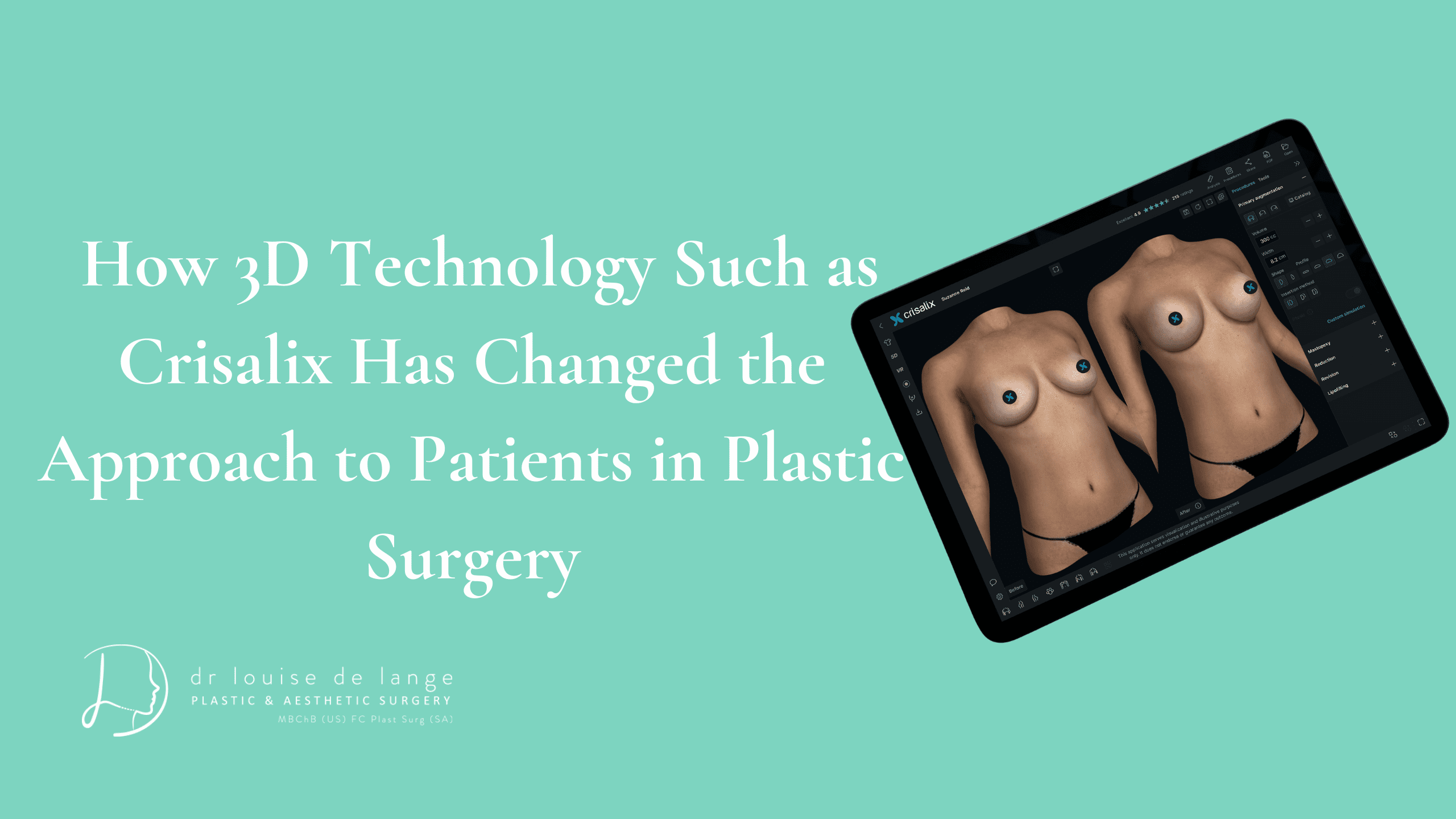
Crisalix differentiates itself through cloud-based architecture, photogrammetry-driven modeling, and AI-enhanced aesthetic predictions. Surgeons can create a simulated 3D version of the patient using only uploaded photos or a smartphone scan.
Key features shaping its impact include:
- High-resolution 3D renderings that reflect natural lighting and anatomical detail
- Predictive simulations for procedures such as breast augmentation, rhinoplasty, facelift, and body contouring
- VR consultations, enabling patients to view results from dynamic perspectives
- Comparative simulations showing different implant sizes, surgical techniques, or procedural combinations
The platform’s intuitive interface and cross-device accessibility have contributed to its widespread adoption in clinics globally.
A New Patient-Centered Approach Enabled by 3D Technology
The integration of 3D technology in plastic surgery has shifted aesthetic medicine toward a more collaborative and transparent model.
Traditional consultations often left room for misunderstanding or unclear expectations, but 3D simulation tools now allow both parties to share a unified visual reference.
Enhancing Communication and Understanding
Clear communication is essential in aesthetic procedures, where subjective expectations play a major role. Tools like Crisalix enable:
- Visual alignment between surgeon and patient
- Transparent discussion of achievable versus unrealistic outcomes
- Better comprehension of anatomical limitations
Patients become more engaged, asking questions based on the visual simulation rather than abstract concepts, which leads to more informed decisions and greater satisfaction.
Increasing Patient Confidence and Reducing Anxiety
One of the most documented benefits of 3D simulation is its ability to reduce uncertainty. When patients visualize themselves with potential outcomes, they often feel:
- More confident in proceeding with surgery
- Less anxious about the “unknown”
- More trusting of the surgeon’s expertise
This psychological reassurance is especially valuable in procedures like rhinoplasty or breast surgery, where final results are difficult to imagine without assistance.
Supporting Informed Consent Through Visual Evidence
Regulatory bodies increasingly emphasize the importance of informed consent. 3D simulation enhances this process by giving patients realistic expectations. Seeing a visual approximation of the result helps prevent misinterpretations and strengthens legal clarity by documenting pre-operative discussions.
3D Simulation as a Precision Tool for Surgeons
While patients benefit from visualization, surgeons gain powerful tools to refine technique, plan interventions more accurately, and analyze outcomes objectively. The following H3 sections examine how 3D solutions contribute to clinical precision.
Improving Pre-Operative Planning
With detailed volumetric data, surgeons can:
- Determine optimal incision points
- Assess implant size, shape, and placement
- Anticipate asymmetries or structural variances
- Evaluate soft tissue behavior under different modifications
For example, in breast augmentation, the ability to simulate varying implant profiles enables surgeons to choose the most suitable device for harmonious body proportions.
Enhancing Technical Accuracy and Outcome Prediction
Systems like Crisalix use sophisticated algorithms to approximate how tissues adapt to surgical changes. Although no simulation is perfect, predictive models continue to improve thanks to machine learning and large datasets.
This makes simulations particularly useful for:
- Rhinoplasty, where millimeter-level differences matter
- Liposuction and body contouring, where proportions shift dynamically
- Facial rejuvenation, where skin elasticity and volume changes require careful planning
By grounding decisions in quantifiable data, surgeons can achieve more consistent, reproducible results.
Facilitating Post-Operative Comparison and Follow-Up
3D modeling isn’t limited to pre-operative stages; it also supports post-operative evaluation. Surgeons can compare actual outcomes to predicted simulations or initial anatomy, enabling them to assess:
- Surgical accuracy
- Healing progression
- Residual asymmetries
- Areas requiring future refinement
This contributes to a cycle of continuous improvement and evidence-based practice.
The Broader Impact of 3D Technology on the Aesthetic Industry
A Powerful Marketing and Differentiation Tool
Clinics using advanced technology like Crisalix often highlight it as a competitive advantage.
The presence of cutting-edge 3D simulation builds trust and positions the clinic as technologically progressive, appealing to digitally literate patients who seek transparency and control.
Educating Surgeons and Refining Surgical Techniques
Medical education now incorporates 3D visualization to teach anatomy, demonstrate surgical techniques, and simulate complex interventions.
This improves training efficiency and helps surgeons visualize outcomes in scenarios that would be difficult to replicate in standard training environments.
The Future: AI-Driven Personalization and Predictive Modeling
The next stage of innovation will likely involve:
- AI-driven hyper-personalized simulations
- Predictive aesthetic analytics tailored to cultural and demographic trends
- Integration with robotics for automated incision mapping
- Real-time procedural assistance during surgery
The goal is to achieve increasingly precise, safe, and personalized outcomes.
A New Standard for Precision and Patient Engagement
The integration of 3D technology in plastic surgery—exemplified by solutions like Crisalix—has fundamentally transformed the consultation and surgical planning process. It strengthens communication, enhances patient trust, and refines clinical accuracy.
As innovation continues, 3D visualization will become even more immersive, precise, and predictive, reinforcing its central role in the aesthetic medicine ecosystem. For patients and surgeons alike, the future of plastic surgery is not just procedural—it is visual, data-driven, and deeply personalized.