Skin cancer is one of the most common forms of cancer worldwide, affecting millions of individuals every year. While advances in dermatology, oncology, and early detection have significantly improved treatment outcomes, prevention remains the most effective strategy for reducing both the incidence and severity of the disease.
Most cases of skin cancer are linked to cumulative exposure to ultraviolet (UV) radiation, making many risk factors modifiable through informed lifestyle choices. Understanding how skin cancer develops, recognizing personal risk factors, and adopting evidence-based preventive measures can substantially lower the likelihood of developing potentially dangerous lesions.
This article explores the most important aspects of skin cancer prevention, including risk factors, protective strategies, screening recommendations, and the latest insights into maintaining healthy skin throughout life.
Understanding Skin Cancer and Why Prevention Matters
Before exploring prevention strategies, it is important to understand what skin cancer is and why proactive protection is essential.
What Is Skin Cancer?
Skin cancer occurs when abnormal skin cells grow uncontrollably due to damage in their DNA. In many cases, this damage is caused by prolonged exposure to ultraviolet radiation from the sun or artificial sources such as tanning beds.
The three most common forms of skin cancer include:
- Basal Cell Carcinoma (BCC) – the most frequently diagnosed type, often appearing on sun-exposed areas.
- Squamous Cell Carcinoma (SCC) – commonly associated with cumulative UV exposure and capable of spreading if untreated.
- Melanoma – the most aggressive form of skin cancer, developing in pigment-producing cells called melanocytes.
Although melanoma accounts for a smaller percentage of cases, it causes the majority of skin cancer-related deaths, highlighting the importance of prevention and early detection.
Why Prevention Is Critical
Unlike many cancers that develop from a combination of uncontrollable genetic and environmental factors, a significant proportion of skin cancers are considered preventable.
Research consistently demonstrates that reducing UV exposure, practicing sun-safe behaviors, and identifying suspicious skin changes early can dramatically decrease both incidence and mortality rates.
Prevention is particularly valuable because skin damage accumulates over time. The harmful effects of UV radiation experienced during childhood, adolescence, and adulthood contribute collectively to long-term cancer risk.
Major Risk Factors for Skin Cancer
Understanding risk factors allows individuals to take targeted preventive measures based on their personal circumstances.
Ultraviolet Radiation Exposure
The most significant risk factor for skin cancer is exposure to UV radiation.
UV rays penetrate the skin and damage cellular DNA. Over time, repeated damage may overwhelm the body’s natural repair mechanisms, increasing the likelihood of mutations that trigger cancer development.
Sources of UV radiation include:
- Direct sunlight
- Tanning beds
- Sun lamps
- Reflection from water, snow, and sand
Even on cloudy days, a substantial amount of UV radiation can penetrate the atmosphere and reach the skin.
Skin Type and Genetic Predisposition
Certain individuals have a naturally higher risk of developing skin cancer.
Risk increases among people with:
- Fair skin
- Light-colored eyes
- Blonde or red hair
- A tendency to freckle
- Skin that burns easily
A family history of melanoma or other skin cancers may also increase susceptibility.
Age and Cumulative Sun Damage
Although skin cancer can affect people of all ages, risk generally increases with age due to decades of accumulated UV exposure.
However, melanoma rates have also risen among younger populations, emphasizing the importance of preventive habits beginning early in life.
Weakened Immune System
Individuals with compromised immune function, including organ transplant recipients and people receiving immunosuppressive therapies, face a significantly higher risk of developing skin cancers.
Their immune systems may be less effective at identifying and eliminating abnormal cells before tumors develop.
Effective Strategies for Skin Cancer Prevention
Preventive measures are most effective when integrated into daily routines rather than applied only during vacations or outdoor activities.
Use Broad-Spectrum Sunscreen Correctly
One of the most widely recommended preventive measures is the regular use of broad-spectrum sunscreen.
An effective sunscreen should:
- Offer protection against both UVA and UVB rays
- Have an SPF of at least 30
- Be applied generously to all exposed skin
- Be reapplied every two hours
- Be reapplied after swimming or excessive sweating
Many people use insufficient quantities of sunscreen, significantly reducing its protective effectiveness.
Seek Shade During Peak UV Hours
UV radiation tends to be strongest between 10 a.m. and 4 p.m.
Whenever possible, outdoor activities should be planned outside these peak hours. Seeking shade under trees, umbrellas, or covered structures can substantially reduce UV exposure.
It is important to remember that shade does not provide complete protection, as reflected UV rays can still reach exposed skin.
Wear Protective Clothing
Physical barriers provide one of the most reliable forms of sun protection.
Recommended protective clothing includes:
- Long-sleeved shirts
- Long trousers
- Wide-brimmed hats
- UV-blocking sunglasses
- Specialized UPF-rated garments
Modern sun-protective clothing is designed to be lightweight, breathable, and comfortable even in warm climates.
Avoid Indoor Tanning
The use of tanning beds has been strongly linked to an increased risk of melanoma and other skin cancers.
Artificial tanning devices emit concentrated UV radiation capable of causing significant DNA damage. Numerous public health organizations recommend avoiding indoor tanning entirely.
The perception that a “base tan” protects against sunburn is a misconception and should not be considered a preventive strategy.
Early Detection as a Prevention Tool
While prevention aims to reduce risk, early detection remains essential because no preventive strategy offers complete protection.
Perform Regular Skin Self-Examinations
Monthly self-examinations can help identify suspicious changes before they become advanced.
Individuals should monitor:
- New moles
- Changes in existing moles
- Non-healing sores
- Unusual pigmentation
- Persistent skin lesions
The commonly used ABCDE rule for melanoma assessment includes:
- A – Asymmetry
- B – Border irregularity
- C – Color variation
- D – Diameter larger than 6 mm
- E – Evolving appearance
Any concerning changes should prompt evaluation by a healthcare professional.
Schedule Professional Skin Checks
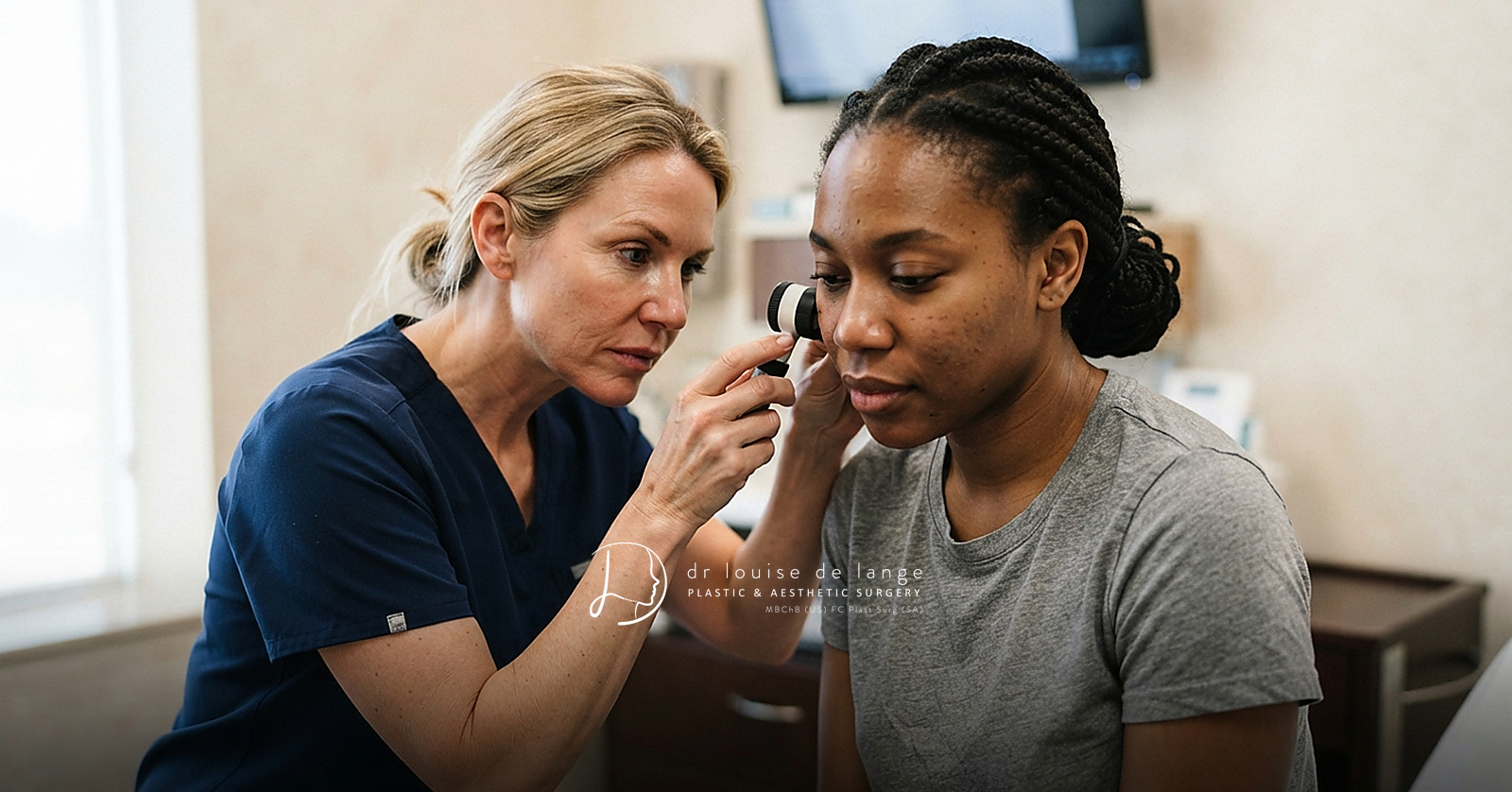
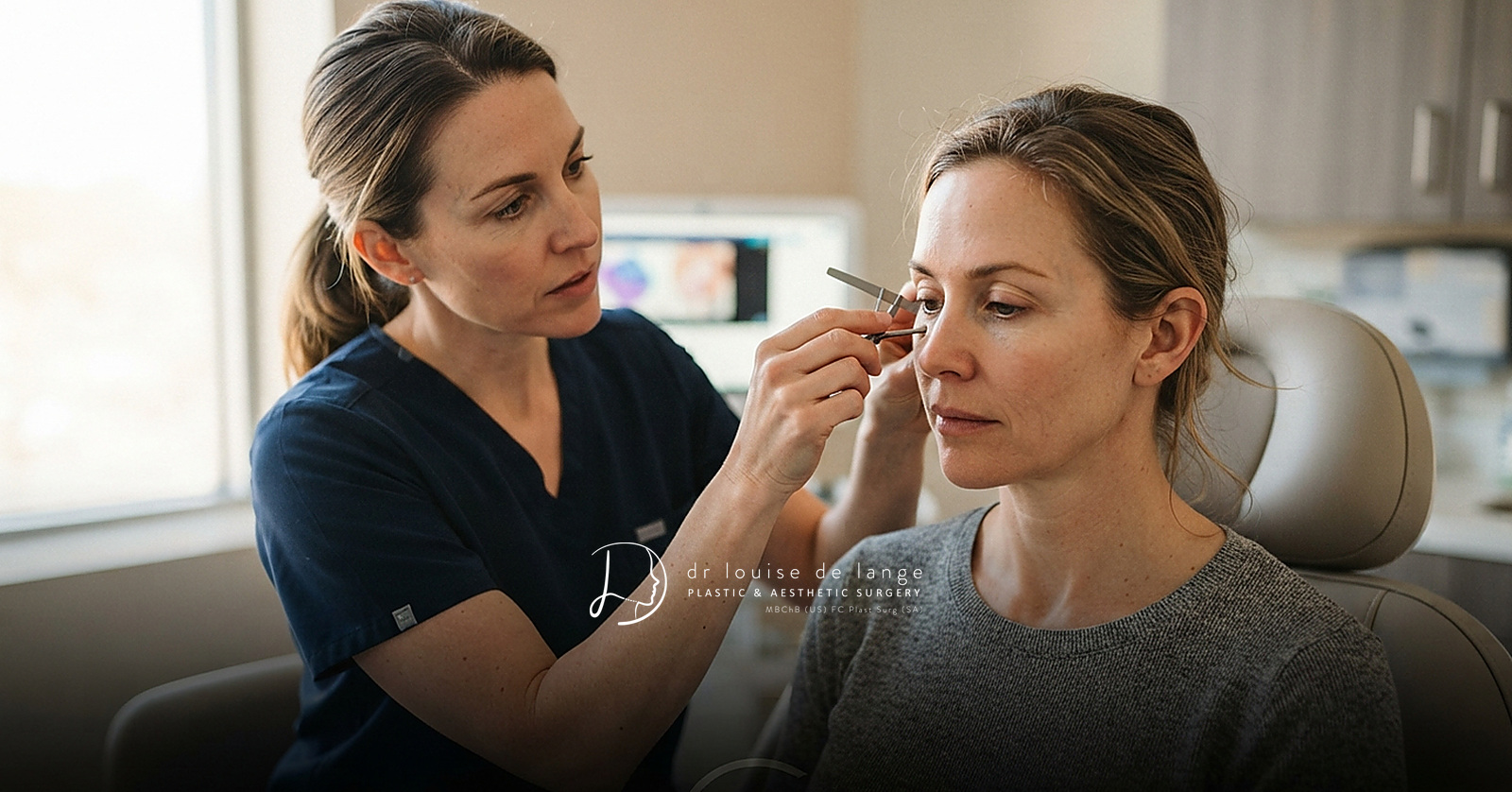
Regular examinations by a dermatologist can improve the likelihood of detecting precancerous lesions and early-stage cancers.
Individuals at higher risk may require more frequent screenings, particularly if they have:
- Multiple atypical moles
- Previous skin cancer diagnoses
- Strong family history
- Extensive lifetime sun exposure
Professional assessments often identify abnormalities that may be difficult for patients to recognize themselves.
Skin Cancer Prevention Across Different Life Stages
Preventive strategies should evolve according to age, lifestyle, and individual risk profiles.
Protecting Children and Adolescents
Childhood sunburns are strongly associated with increased melanoma risk later in life.
Parents and caregivers should prioritize:
- Sunscreen application
- Protective clothing
- Shade-seeking behaviors
- Education about sun safety
Developing these habits early can create lifelong protective behaviors.
Adults and Occupational Exposure
Adults who work outdoors face elevated exposure to UV radiation.
Construction workers, farmers, landscapers, lifeguards, and other outdoor professionals should implement comprehensive sun protection programs that include protective clothing, sunscreen, and scheduled shade breaks.
Employers increasingly recognize sun protection as an occupational health issue.
Older Adults
Older individuals often experience the cumulative effects of decades of sun exposure.
Routine skin monitoring becomes particularly important because many skin cancers develop slowly and may remain unnoticed for extended periods.
Regular dermatological assessments can facilitate early intervention and improve treatment outcomes.
Emerging Trends in Skin Cancer Prevention
Advances in medical research continue to improve prevention and early detection strategies.
Innovations include:
- AI-assisted skin lesion analysis
- Digital mole mapping
- Enhanced UV monitoring technologies
- Personalized risk assessments based on genetics
- Improved sunscreen formulations
These developments support more individualized and effective approaches to skin cancer prevention while complementing traditional protective measures.
Book a consultation with Dr. de Lange
Skin cancer prevention is a lifelong commitment that combines education, awareness, and consistent protective behaviors. Although genetic factors and individual susceptibility cannot be changed, many of the most significant risk factors are manageable through informed choices.
Regular use of broad-spectrum sunscreen, avoidance of excessive UV exposure, protective clothing, routine self-examinations, and professional dermatological screenings form the foundation of an effective prevention strategy.
By adopting these practices and remaining vigilant about changes in skin appearance, individuals can significantly reduce their risk of developing skin cancer and improve their chances of maintaining healthy skin throughout their lives. As scientific understanding continues to evolve, prevention remains the most powerful tool available in the fight against one of the world’s most common cancers.
Book a consultation with Dr. de Lange and her team of experts.