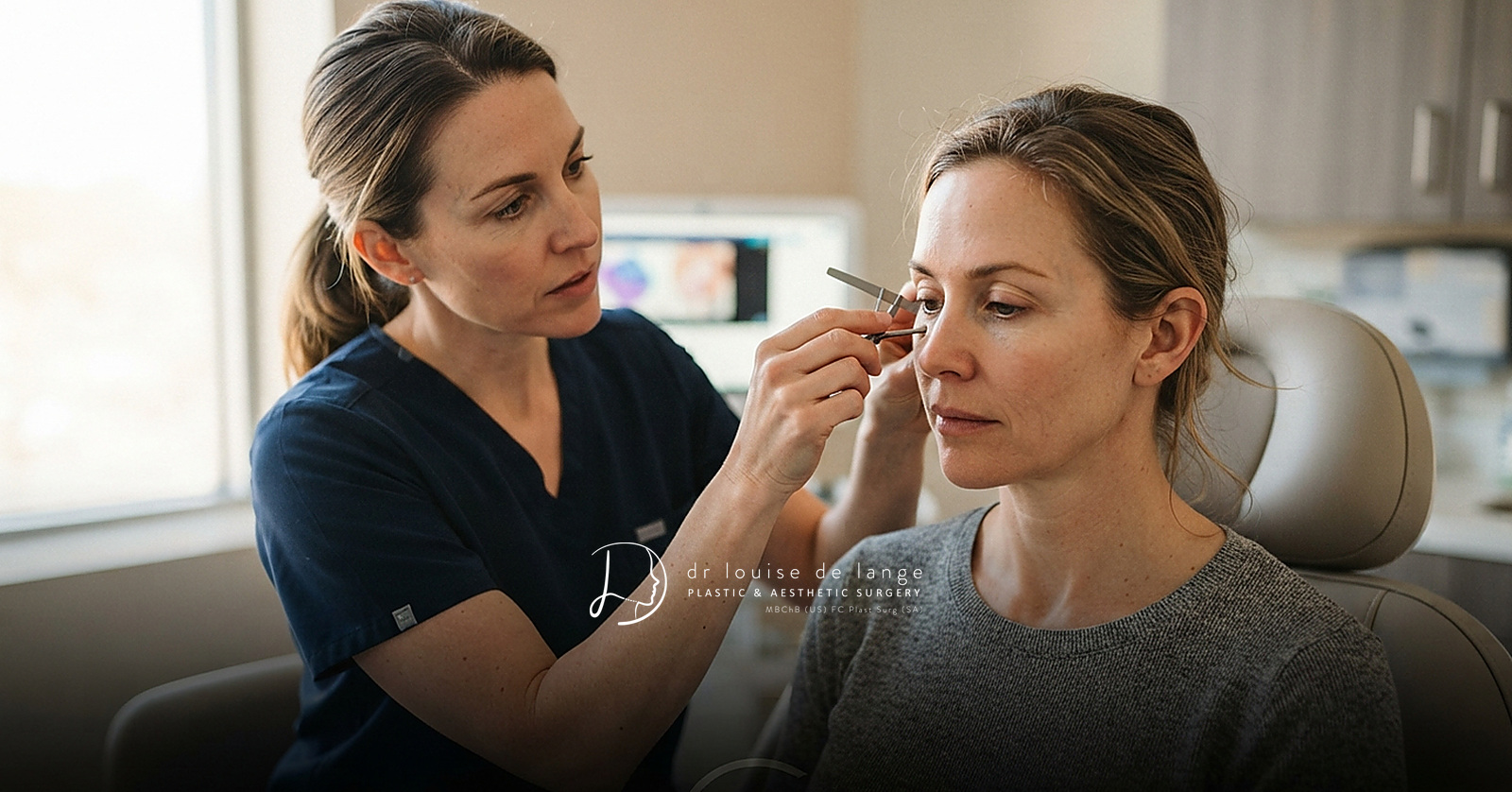
In the evolving landscape of aesthetic dermatology and non-invasive cosmetic treatments, microneedling has emerged as one of the most widely discussed and researched procedures for improving skin quality.
Often referred to as collagen induction therapy, this technique is valued for its versatility, minimal downtime, and ability to address multiple skin concerns simultaneously.
As interest grows, so does the need for clear, evidence-based information about the true microneedling benefits, its mechanisms, and realistic expectations.
This in-depth guide explores the science behind microneedling, the full spectrum of its advantages, potential risks, and how it compares with other skin rejuvenation treatments. Drawing on common themes covered by leading dermatology clinics, peer-reviewed studies, and authoritative aesthetic medicine resources, the article provides a comprehensive overview designed to help readers make informed decisions.
What Is Microneedling and How It Works
Before examining the specific benefits, it is essential to understand the biological mechanisms underlying the procedure. This section outlines how microneedling interacts with the skin and why it produces visible improvements.
The Mechanism of Collagen Induction Therapy
Microneedling involves the use of a device equipped with fine, sterile needles that create controlled micro-injuries in the skin. These tiny punctures trigger the body’s natural wound-healing response, stimulating the production of collagen and elastin, two structural proteins essential for skin firmness and elasticity.
The process unfolds in three phases:
- Inflammation phase, where growth factors are released
- Proliferation phase, characterized by collagen deposition
- Remodeling phase, where new tissue strengthens the skin
This controlled stimulation is what makes microneedling effective for a wide range of skin concerns without causing significant damage to the epidermis.
Types of Microneedling Treatments
Competitor analysis shows that leading clinics commonly distinguish between several variations, each offering specific advantages:
- Traditional microneedling using dermapen devices
- Radiofrequency microneedling, combining needles with heat energy
- Microneedling with PRP (Platelet-Rich Plasma), often called the “vampire facial”
- At-home dermarollers, which are less intensive and generally less effective
Understanding these distinctions helps clarify why results and downtime can vary significantly between treatments.
Primary Microneedling Benefits for Skin Health
The popularity of microneedling largely stems from its ability to address multiple skin issues in a single treatment protocol. Below are the most widely recognized and researched benefits.
Improved Skin Texture and Tone
One of the most immediate and noticeable microneedling benefits is smoother skin texture. By accelerating cell turnover and stimulating collagen production, microneedling helps reduce roughness and improves overall skin uniformity.
Patients often report:
- Softer, more refined skin surface
- Reduced appearance of enlarged pores
- Enhanced radiance and brightness
These improvements typically become more pronounced after multiple sessions as collagen remodeling continues.
Reduction of Fine Lines and Wrinkles
As collagen and elastin levels increase, the skin becomes more resilient and better able to resist creasing. This makes microneedling a popular option for individuals seeking anti-aging treatments without injectables or surgery.
Research indicates that consistent treatments can reduce:
- Fine lines around the eyes
- Forehead wrinkles
- Nasolabial folds
The gradual nature of results contributes to a natural appearance, which many patients prefer over more dramatic interventions.
Minimization of Acne Scars and Surgical Scars
Scar revision is one of the most documented uses of microneedling. By breaking down old scar tissue and promoting new collagen formation, the procedure can significantly improve skin smoothness.
Particularly responsive scar types include:
- Atrophic acne scars
- Mild surgical scars
- Stretch marks
Results often improve progressively over several months as the skin continues to remodel.
Additional Dermatological Advantages
Beyond cosmetic improvements, microneedling offers several functional skin benefits that contribute to long-term skin health.
Enhanced Product Absorption
The microchannels created during treatment temporarily increase the skin’s permeability, allowing topical serums and active ingredients to penetrate more effectively. This is why treatments often incorporate hyaluronic acid, vitamin C, or growth factor serums.
Improved absorption can amplify the effectiveness of skincare routines, particularly when targeting concerns such as hyperpigmentation or dehydration.
Reduction of Hyperpigmentation and Sun Damage
Microneedling can help regulate melanin production and promote the shedding of pigmented cells, making it useful for treating:
- Sun spots
- Melasma
- Post-inflammatory hyperpigmentation
When combined with appropriate topical treatments, it can significantly improve overall skin clarity.
Strengthened Skin Barrier Function
Although microneedling creates temporary micro-injuries, the healing process ultimately strengthens the skin barrier. Increased collagen density improves resilience against environmental stressors such as pollution and UV exposure.
Microneedling Benefits Compared to Other Treatments
Understanding how microneedling compares to alternative procedures helps clarify its role within a broader aesthetic strategy.
Microneedling vs Chemical Peels
While chemical peels rely on exfoliation to remove damaged skin layers, microneedling stimulates regeneration from within. Peels may deliver faster surface results, but microneedling often provides deeper structural improvements with less risk of pigmentation issues.
Microneedling vs Laser Resurfacing
Laser treatments can be highly effective but typically involve longer downtime and higher costs. Microneedling is often preferred by patients seeking gradual improvement with fewer side effects, particularly those with darker skin tones who may be more prone to post-inflammatory pigmentation.
Microneedling vs Botox and Fillers
Unlike neuromodulators and dermal fillers, microneedling does not alter facial movement or volume. Instead, it improves overall skin quality, making it complementary rather than competitive with injectable treatments.
Who Is an Ideal Candidate for Microneedling
Although microneedling is considered safe for most skin types, certain factors influence suitability and expected outcomes.
Skin Concerns That Respond Best
Ideal candidates typically seek improvement in:
- Early signs of aging
- Mild to moderate acne scarring
- Uneven skin tone
- Enlarged pores
Individuals with active infections, severe acne, or certain skin conditions may need to postpone treatment.
Treatment Frequency and Maintenance
Most protocols recommend a series of 3 to 6 sessions spaced several weeks apart. Maintenance treatments every few months help sustain collagen production and prolong results.
Consistency is a recurring theme across leading dermatology practices, as cumulative treatments produce the most significant improvements.
Potential Risks and Side Effects
A balanced perspective on microneedling benefits must also include possible drawbacks. While generally safe when performed by qualified professionals, side effects can occur.
Common Temporary Reactions
Typical post-treatment effects include:
- Redness similar to mild sunburn
- Slight swelling
- Sensitivity or tightness
These symptoms usually resolve within a few days.
Less Common Complications
When performed improperly or without proper hygiene, risks may include:
- Infection
- Prolonged irritation
- Post-inflammatory hyperpigmentation
Choosing an experienced practitioner significantly reduces these risks.
How to Maximize Microneedling Results
Proper preparation and aftercare play a crucial role in achieving optimal outcomes. Leading clinics consistently emphasize the importance of following professional guidance.
Pre-Treatment Preparation
Patients are often advised to:
- Avoid retinoids and exfoliating acids for several days
- Limit sun exposure
- Stay well hydrated
These steps help minimize irritation and promote better healing.
Post-Treatment Skincare
After treatment, gentle care is essential to support recovery. Recommendations typically include:
- Using soothing, hydrating products
- Applying broad-spectrum SPF
- Avoiding harsh skincare ingredients temporarily
Proper aftercare not only reduces side effects but also enhances treatment effectiveness.
The Long-Term Value of Microneedling
From a long-term perspective, microneedling is valued for its ability to stimulate the skin’s natural regenerative processes rather than relying solely on external interventions. This regenerative approach aligns with broader trends in preventive dermatology and skin longevity.
Over time, regular treatments can help maintain firmer, smoother skin while slowing the progression of visible aging signs. Because results develop gradually, they tend to appear subtle and natural, which contributes to high patient satisfaction rates.
Book a consultation today
The growing popularity of microneedling reflects its unique ability to deliver meaningful skin improvements with minimal invasiveness. Among the most notable microneedling benefits are enhanced collagen production, smoother texture, reduced scarring, improved tone, and better absorption of skincare products. Its versatility makes it suitable for addressing multiple concerns simultaneously, from early aging signs to pigmentation irregularities.
While not a replacement for all aesthetic treatments, microneedling occupies a valuable position within modern dermatology thanks to its strong safety profile and evidence-based results. When performed by qualified professionals and combined with proper skincare, it offers a reliable pathway to healthier, more resilient skin.
Contact Dr. de Lange and her team to schedule a consultation.