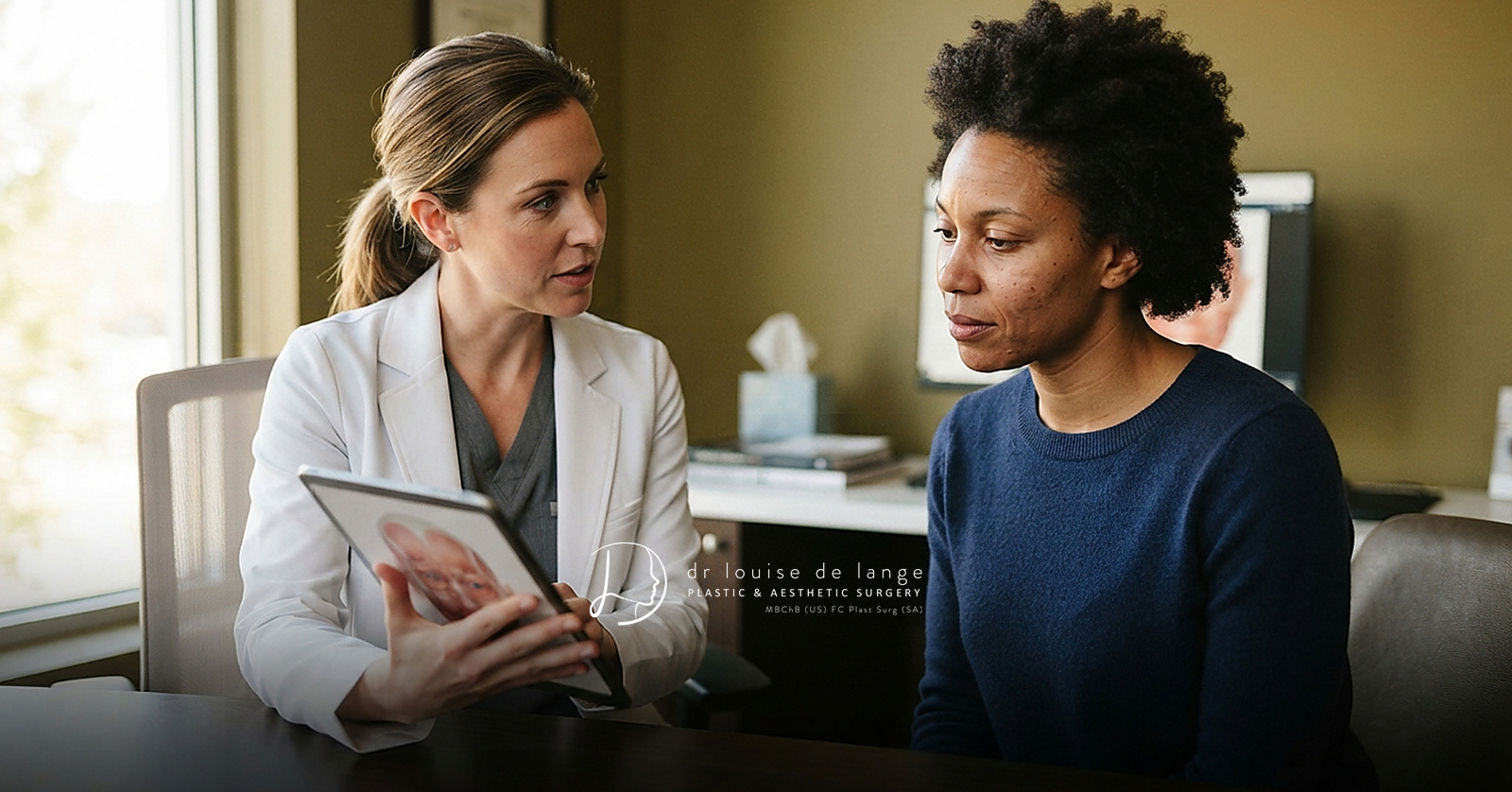
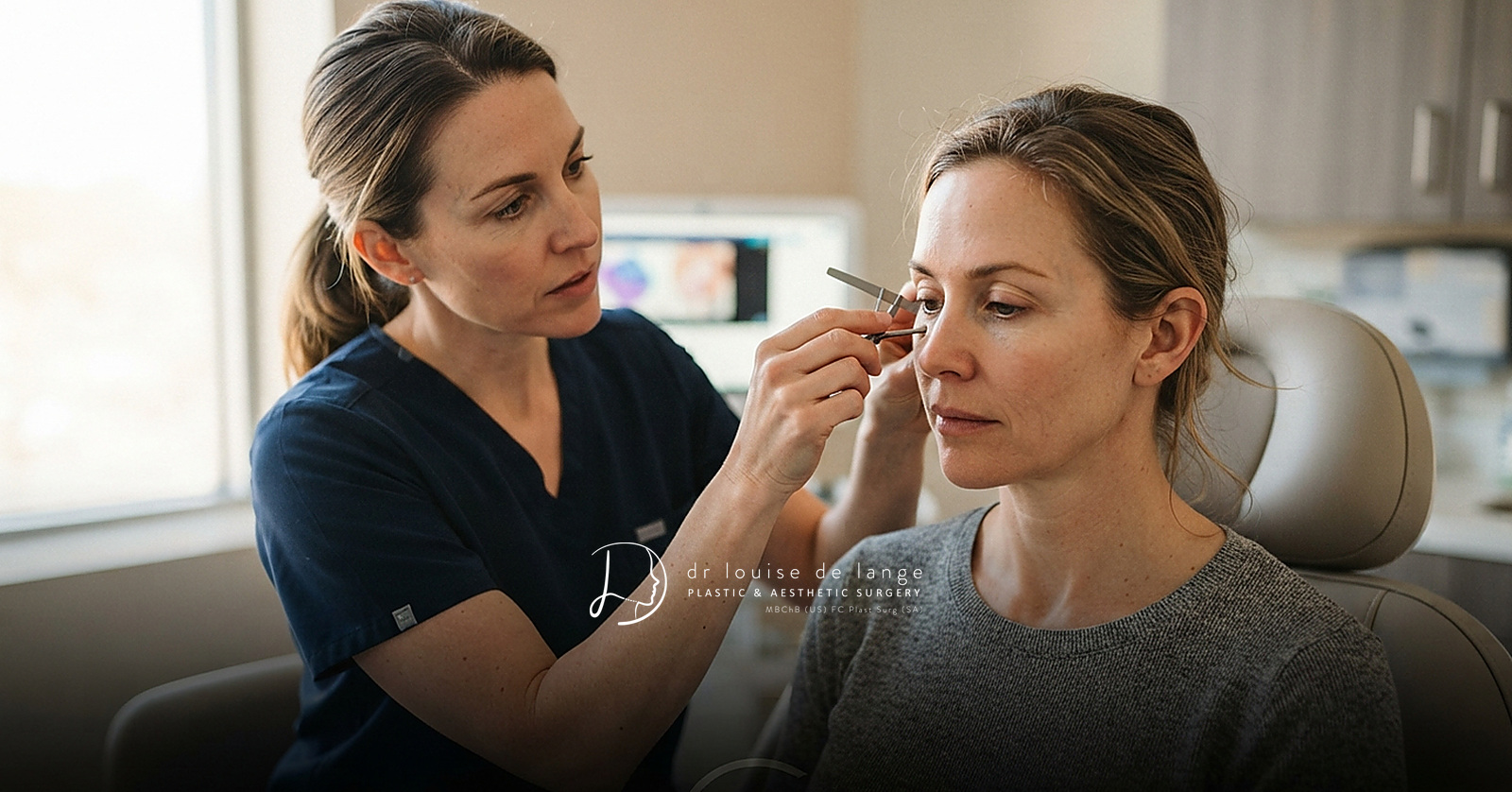
In today’s modern aesthetic practices, the role of a skin therapist in a plastic surgery clinic is becoming increasingly important.
While plastic surgeons are best known for reshaping and refining the body, skin therapists bring specialised expertise in skin health, maintenance, and non-invasive treatments—working alongside surgeons to help patients achieve the best possible results.
Why Skin Therapy and Plastic Surgery Work Hand in Hand
When patients seek aesthetic treatments, they often want more than just a change in facial or body contours.
They’re looking for smoother, healthier skin, a youthful glow, and solutions that enhance both appearance and skin quality.
This is where the skills of a skin therapist are invaluable, especially in a multidisciplinary clinic like Dr. Louise de Lange’s in Cape Town.
After all, plastic surgery may lift and tighten—but the texture, hydration, and overall condition of the skin ultimately define the final look.
What Does a Skin Therapist Do in a Plastic Surgery Clinic?
Skin therapists offer professional, non-medical skin care expertise that complements surgical work.
Their responsibilities in a plastic surgery clinic may include:
1. Pre-surgical Skin Preparation
Before surgery, the skin benefits from being in optimal condition.
A skin therapist can assess concerns like dryness, dullness, uneven texture, or mild pigmentation, and recommend customised treatments such as:
- Professional facials to boost hydration and circulation
- Light chemical peels or gentle exfoliation to refresh the skin
- Tailored skincare routines using medical-grade products
Preparing the skin in this way can help improve healing and enhance surgical results.
2. Post-operative Skin Support
After surgery, the skin can be more sensitive and in need of extra care.
A skin therapist helps by:
- Recommending gentle, recovery-focused skincare
- Providing soothing treatments to reduce redness and swelling (once cleared by the surgeon)
- Supporting scar management with approved topical products and therapies
This careful attention can make a visible difference in the final outcome.
3. Non-surgical Aesthetic Treatments
Many patients prefer ongoing skin maintenance to complement or delay surgical procedures.
A skin therapist can offer a variety of treatments to improve skin tone, smoothness, and radiance, such as:
- Microdermabrasion
- Microneedling (in collaboration with medical staff)
- Light-based therapies for rejuvenation
- Hydrating and anti-aging facials
- Mild to moderate chemical peels
These non-invasive options help patients maintain their surgical results and boost overall skin health.
A Word from Our Skin Therapist
Dr. Louise de Lange’s clinic is proud to work with an experienced skin therapist, who explains:
“Surgery can beautifully enhance a person’s features, but healthy, well-cared-for skin makes the result truly shine. My role is to support the patient’s skin before and after surgery, so they can enjoy results that are not only more beautiful, but also longer-lasting.”
This teamwork between surgeon and skin therapist ensures patients receive personalised, holistic care.
Common Skin Concerns Addressed by a Skin Therapist
While a skin therapist does not diagnose or treat medical conditions, they can help improve the appearance and comfort of the skin in cases such as:
- Dryness and dehydration
- Sun damage and uneven skin tone
- Mild pigmentation concerns
- Fine lines and early signs of aging
- Textural irregularities
By treating these concerns before and after surgery, the skin therapist plays a key role in optimising the overall outcome.
How This Benefits You as a Patient
For patients at Dr. de Lange’s Cape Town clinic, integrating skin therapy into surgical care offers:
- Better healing: Pre- and post-surgical skin conditioning
- Holistic results: Addressing both skin health and structural changes
- Longer-lasting beauty: Maintenance treatments to preserve results
- Convenience: Access to surgical and skin services in one location
This approach places patient wellbeing at the heart of every treatment plan.
The Future Is Collaborative
The presence of a skin therapist in a plastic surgery clinic reflects a growing trend towards complete, long-term aesthetic care.
By combining the precision of surgery with advanced skin care techniques, patients enjoy a more comprehensive transformation—one that looks natural, feels healthy, and lasts.
Whether you’re preparing for surgery or simply seeking non-invasive rejuvenation, choosing a clinic where surgeons and skin therapists work together can make all the difference in your results.