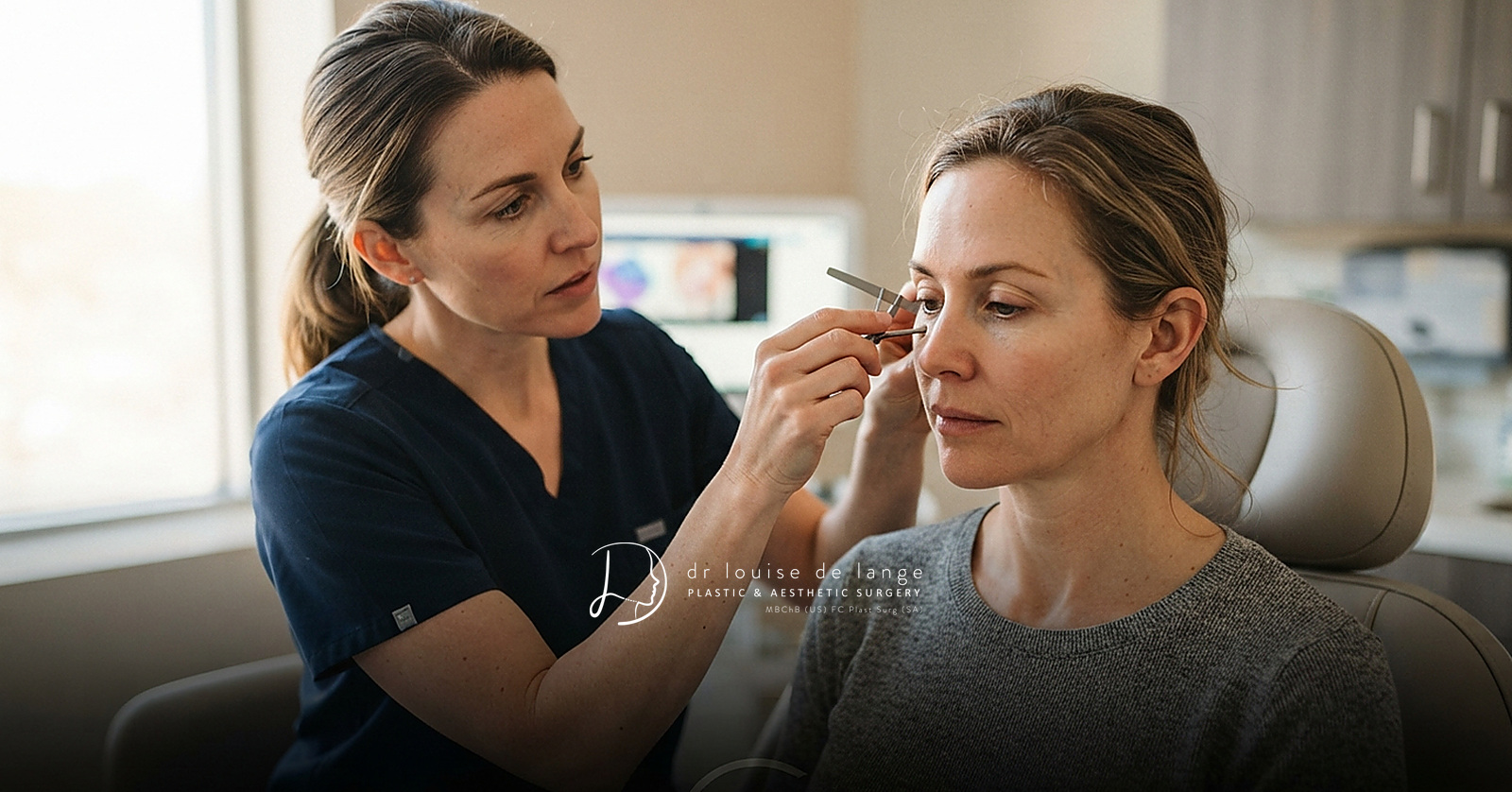
In public discourse, rhinoplasty is often framed as a purely cosmetic intervention—an elective procedure pursued to refine nasal shape or harmonize facial proportions.
This perception, while common, is incomplete. In contemporary facial plastic surgery and otorhinolaryngology, rhinoplasty occupies a far broader clinical role that integrates function, health, psychological well-being, and quality of life alongside aesthetics.
Patients increasingly seek rhinoplasty not merely to change how they look, but to breathe better, sleep more soundly, recover from trauma, or correct congenital abnormalities. Advances in surgical techniques, endonasal approaches, and functional nasal reconstruction have reinforced a paradigm in which form and function are inseparable.
This article explores in depth why rhinoplasty is frequently requested for non-aesthetic reasons, examining the medical, functional, psychological, and reconstructive dimensions that define modern nasal surgery.
Understanding Rhinoplasty Beyond Cosmetic Surgery
Rhinoplasty is one of the most complex procedures in facial surgery because the nose is both a respiratory organ and a central facial structure. Any surgical modification must respect anatomy, airflow dynamics, and tissue integrity.
The Dual Role of the Nose: Structure and Function
The nose performs essential physiological functions:
- Air filtration and humidification
- Thermoregulation of inhaled air
- Olfaction
- Airflow resistance regulation
Structurally, it comprises bone, cartilage, mucosa, ligaments, and skin, all interacting in a delicate biomechanical balance. Alterations for aesthetic reasons alone—without addressing function—can compromise breathing. Conversely, functional rhinoplasty often produces aesthetic improvements as a secondary benefit.
The Evolution Toward Functional Rhinoplasty
Historically, cosmetic outcomes dominated patient demand. Today, there is a strong clinical shift toward function-preserving and function-enhancing rhinoplasty. Surgeons trained in both ENT surgery and facial plastic surgery increasingly prioritize:
- Nasal valve integrity
- Septal support
- Long-term airway stability
This evolution reflects deeper anatomical understanding and long-term outcome data.
Functional Reasons Patients Seek Rhinoplasty
Many patients pursue rhinoplasty primarily to resolve medical or functional complaints that significantly impair daily life.
Correction of Breathing Disorders
One of the most common non-aesthetic indications for rhinoplasty is nasal obstruction. Causes include:
- Deviated nasal septum
- Inferior turbinate hypertrophy
- Internal or external nasal valve collapse
These conditions can result in chronic mouth breathing, exercise intolerance, and sleep disruption. Septorhinoplasty, which combines septal correction with nasal reshaping, is often required when structural deviations affect both airflow and appearance.
Sleep-Related Breathing Issues
Poor nasal airflow contributes to:
- Snoring
- Upper airway resistance syndrome
- Mild obstructive sleep apnea
While rhinoplasty is not a standalone cure for sleep apnea, improving nasal patency can significantly enhance CPAP tolerance, sleep quality, and oxygenation, making it an important adjunctive intervention.
Chronic Sinus and ENT Conditions
Patients with recurrent sinus infections, postnasal drip, or chronic rhinitis may benefit from rhinoplasty when anatomical obstructions limit sinus drainage. Functional correction can reduce:
- Infection frequency
- Antibiotic dependence
- Inflammatory burden
Reconstructive and Post-Traumatic Indications
Not all noses develop normally or remain intact throughout life. Reconstructive rhinoplasty addresses damage caused by trauma or congenital conditions.
Nasal Trauma and Fractures
Sports injuries, accidents, and falls frequently cause nasal fractures. Even after initial healing, patients may experience:
- Persistent deviation
- Airway collapse
- Asymmetry
Post-traumatic rhinoplasty restores both structural alignment and respiratory function, often years after the initial injury.
Congenital and Developmental Abnormalities
Conditions such as:
- Cleft lip nasal deformity
- Congenital septal deviation
- Cartilaginous underdevelopment
can impair breathing from childhood. Corrective rhinoplasty in these cases is medically necessary, not elective, and plays a critical role in long-term facial growth and function.
Psychological and Quality-of-Life Motivations
Functional impairments of the nose often have profound psychological consequences, making rhinoplasty a quality-of-life intervention rather than a cosmetic indulgence.
The Impact of Breathing on Mental Health
Chronic nasal obstruction is associated with:
- Daytime fatigue
- Cognitive impairment
- Reduced concentration
- Irritability and anxiety
Restoring normal nasal airflow can produce measurable improvements in mental clarity, energy levels, and emotional well-being.
Self-Confidence and Social Functioning
In cases where functional deformities are externally visible—such as post-traumatic deviation—patients may experience social withdrawal or reduced self-esteem. Rhinoplasty in these contexts addresses functional disability and psychosocial distress simultaneously.
The Role of the Endonasal (Closed) Approach
Modern rhinoplasty increasingly favors techniques that minimize trauma while maximizing precision.
What Is the Endonasal Approach?
The endonasal rhinoplasty approach involves performing surgery entirely through internal incisions, leaving no external scars. This method is particularly effective for:
- Functional corrections
- Septal surgery
- Moderate structural refinements
Surgeons such as Dr. Louise de Lange emphasize this technique for patients whose primary concerns involve breathing and internal anatomy rather than dramatic aesthetic change.
Advantages for Functional Outcomes
Key benefits include:
- Reduced postoperative swelling
- Faster recovery
- Preservation of nasal support structures
- Lower risk of scar-related complications
For function-driven rhinoplasty, the endonasal approach aligns with principles of tissue conservation and long-term stability.
Medical Evaluation and Surgical Planning
Rhinoplasty for non-aesthetic reasons requires rigorous diagnostic assessment.
Comprehensive Functional Analysis
Preoperative evaluation typically includes:
- Anterior rhinoscopy
- Nasal endoscopy
- CT imaging (when sinus disease is suspected)
- Airflow analysis
This data-driven approach ensures that surgery targets the root cause of symptoms rather than surface-level appearance.
Individualized Treatment Strategies
No two noses are anatomically identical. High-quality rhinoplasty planning integrates:
- Facial proportions
- Skin thickness
- Cartilage strength
- Ethnic and genetic factors
This individualized approach supports both functional durability and natural-looking results.
Rhinoplasty and Long-Term Health Outcomes
From an evidence-based perspective, function-oriented rhinoplasty delivers benefits that extend well beyond the postoperative period.
Sustained Respiratory Improvement
Studies consistently show long-term improvement in:
- Nasal airflow resistance
- Exercise tolerance
- Sleep quality
These outcomes reinforce rhinoplasty’s role as a therapeutic intervention rather than a cosmetic luxury.
Reduced Healthcare Utilization
By addressing chronic ENT problems surgically, patients often experience:
- Fewer medical consultations
- Reduced medication use
- Lower risk of secondary complications
Contact Dr. de Lange in Cape Town
Rhinoplasty is fundamentally not only an aesthetic procedure. For a substantial proportion of patients, it is a functional, reconstructive, and quality-of-life–enhancing surgery that addresses breathing disorders, trauma, congenital anomalies, and chronic ENT conditions.
Modern techniques—particularly functional and endonasal rhinoplasty—reflect a sophisticated understanding of nasal anatomy and long-term health outcomes.
Rhinoplasty emerges as a medically significant intervention whose value extends far beyond appearance. Understanding this broader context is essential for patients, practitioners, and anyone seeking accurate, high-quality medical information about nasal surgery.
Contact us today and reserve your personalised consultation.