Modern aesthetic medicine offers increasingly advanced solutions for people who want to improve body proportions, reduce localized fat deposits, and redefine natural contours without changing their identity. Among the most requested treatments, body contouring has become a broad term that includes both surgical and non-surgical procedures designed to sculpt the body and enhance harmony between different areas.
Whether after weight loss, pregnancy, aging, or simply stubborn fat resistant to diet and exercise, body contouring can help improve the appearance of the abdomen, thighs, arms, flanks, buttocks, and other zones. Understanding how these treatments work, who they are for, and what results to expect is essential before making any decision.
This guide explores body contouring, its methods, benefits, limitations, recovery considerations, and how to choose a qualified practitioner.
What Is Body Contouring?
The term body contouring refers to a range of aesthetic procedures that reshape and refine body lines by targeting excess fat, loose skin, or tissue laxity. It is not a weight-loss solution, but rather a method of improving proportions and definition.
Body contouring treatments are often chosen by people who maintain a stable weight but still experience concerns such as:
- Localized fat pockets
- Mild to moderate skin laxity
- Lack of body definition
- Changes after pregnancy
- Body asymmetry
- Post-weight-loss loose skin
Depending on the patient’s goals, body contouring may involve liposuction, skin tightening technologies, fat reduction devices, or surgical lifting procedures.
Body Contouring vs Weight Loss
A common misconception is that body contouring replaces healthy lifestyle habits. In reality, it is best suited for people already close to their ideal weight.
While nutrition and exercise reduce overall body fat, some areas can remain resistant due to genetics or hormonal factors. Body contouring focuses on these specific zones, helping create a more balanced silhouette.
Common Treatment Areas
Popular areas for body contouring include:
- Abdomen
- Waist and flanks
- Thighs
- Arms
- Back rolls
- Buttocks
- Chin and jawline
- Knees
Each area may require a different approach depending on skin quality, fat volume, and desired outcome.
Types of Body Contouring Procedures
There is no single body contouring treatment. Instead, patients usually choose between non-invasive options and surgical procedures based on goals, downtime, and expected results.
Surgical Body Contouring
Surgical body contouring can offer more dramatic and immediate changes, especially when larger volumes of fat or excess skin are involved.
Common procedures include:
- Liposuction
- Tummy tuck (abdominoplasty)
- Arm lift (brachioplasty)
- Lower body lift
- Fat transfer procedures
These treatments usually require anaesthesia and recovery time but may deliver more significant reshaping.
Combination Approaches
Many modern treatment plans combine technologies. For example, liposuction may be paired with skin tightening, or post-weight-loss patients may combine fat removal with surgical lifts for optimal contour improvement.
How Body Contouring Works
The mechanism depends on the treatment selected. Some reduce fat cells, while others tighten collagen or remove excess tissue.
Fat Reduction
Procedures such as cryolipolysis or liposuction target adipose tissue. In non-surgical methods, fat cells are damaged and naturally eliminated over time. In surgery, fat is physically removed through cannulas.
Skin Tightening
Loose skin can affect final results. Technologies using radiofrequency, ultrasound, or laser energy stimulate collagen remodeling, helping improve firmness and elasticity.
Body Sculpting and Proportion
A skilled practitioner does more than remove fat. True contouring requires understanding anatomy, symmetry, and proportion. The objective is to create natural transitions between treated and untreated areas.
Who Is a Good Candidate for Body Contouring?
The best candidates are people in generally good health with realistic expectations.
Ideal Candidate Profile
You may be suitable for body contouring if you:
- Are near a stable target weight
- Have isolated stubborn fat areas
- Experience mild to moderate skin laxity
- Do not smoke, or can stop before treatment
- Understand limitations and recovery needs
When to Postpone Treatment
Some people may need to delay treatment if they are:
- Planning major weight loss
- Pregnant or recently postpartum
- Managing uncontrolled medical conditions
- Expecting unrealistic transformation
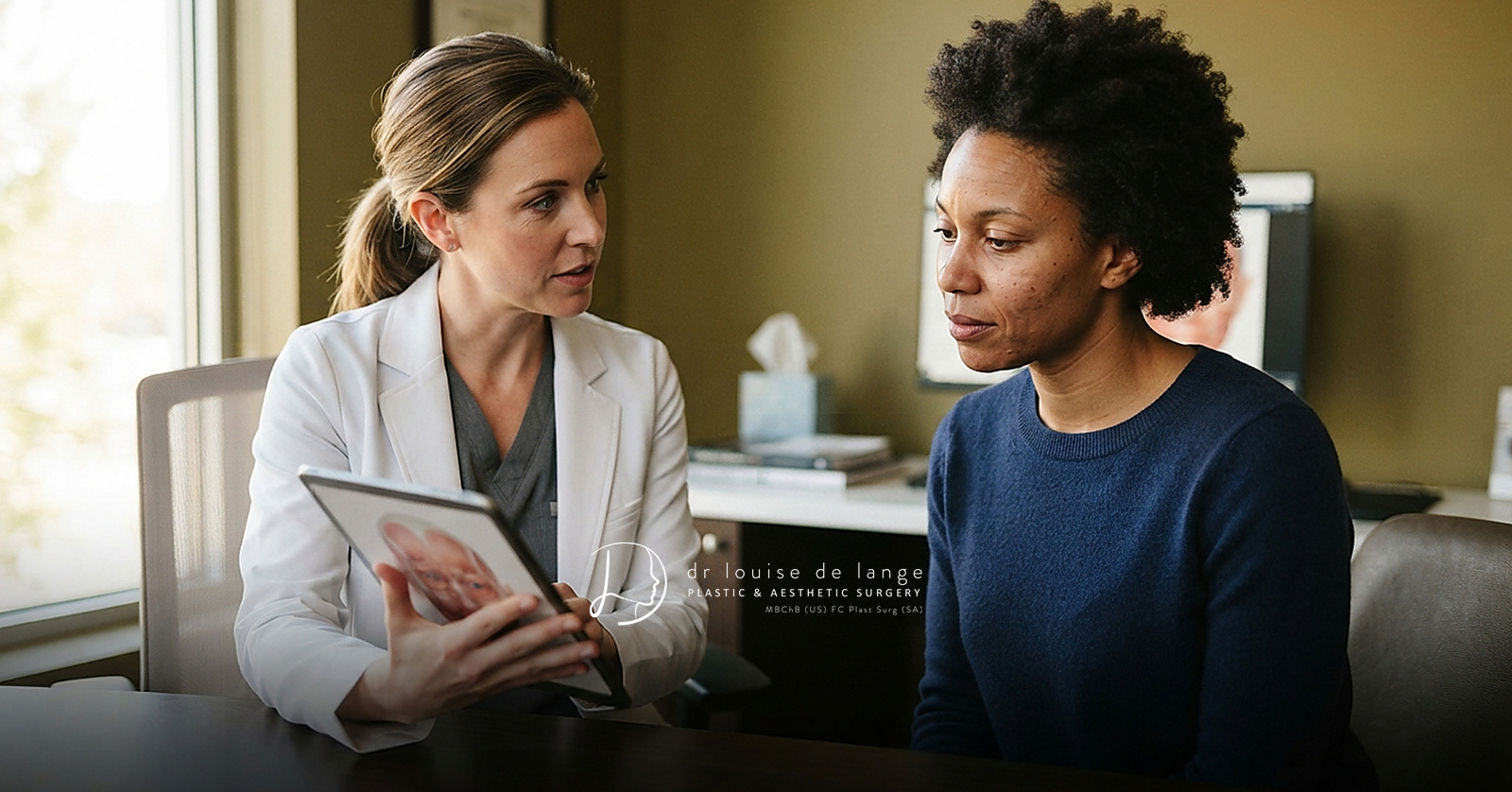
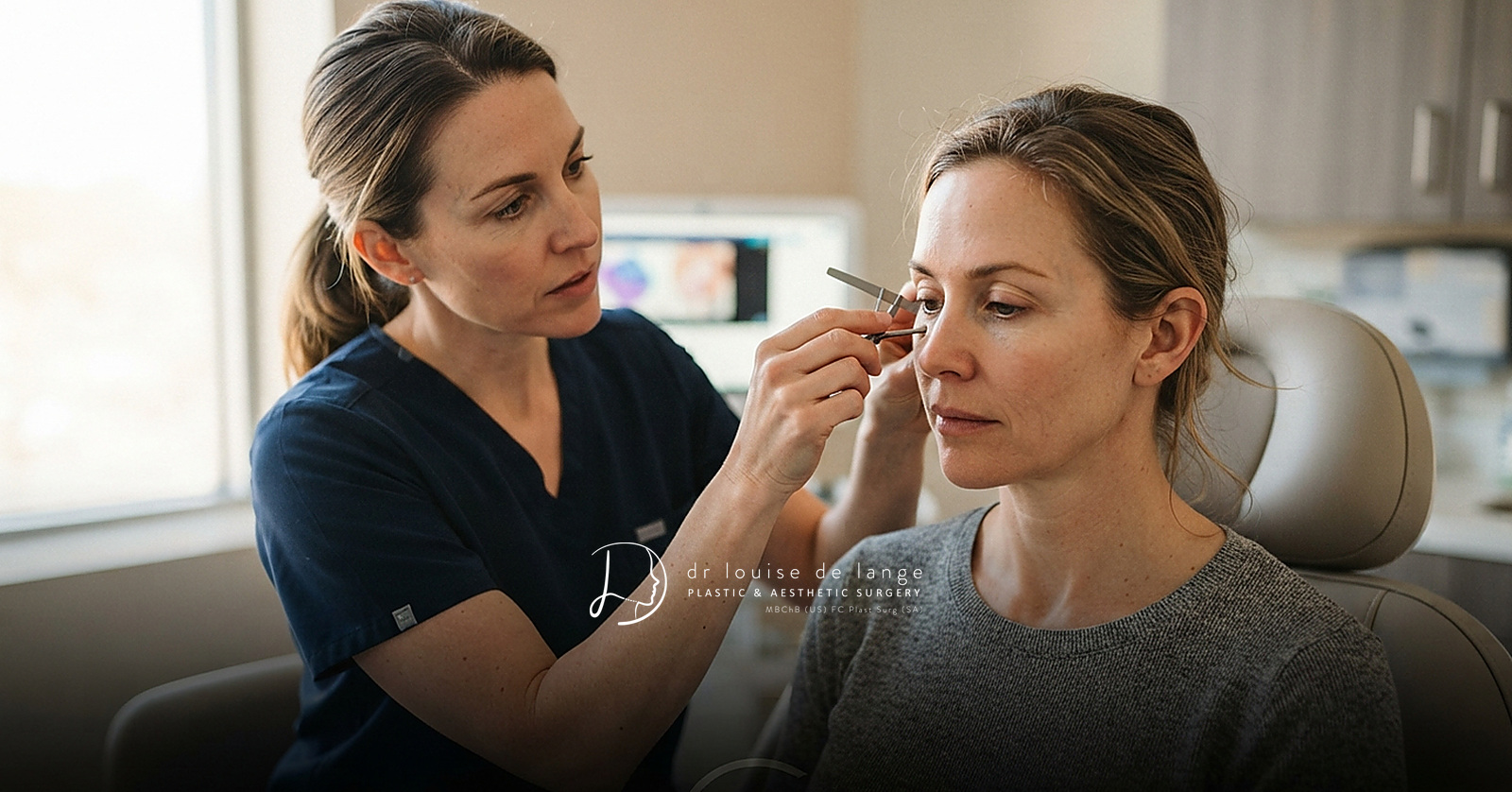
A detailed consultation is essential to assess suitability.
What Results Can You Expect?
Body contouring can significantly improve shape, but expectations should remain realistic. Results depend on anatomy, skin elasticity, treatment type, and lifestyle habits after the procedure.
Timeline for Results
- Non-surgical treatments: visible change often develops over weeks or months
- Liposuction: swelling reduces progressively over several months
- Skin tightening: collagen remodeling may continue for months
- Lift procedures: immediate structural change with ongoing healing
How Long Results Last
Results can be long-lasting if body weight remains stable. Significant weight gain, aging, or pregnancy may alter outcomes over time.
Natural-Looking Outcomes
The most successful results are often subtle and harmonious rather than exaggerated. Skilled providers prioritize proportion and tissue integrity over excessive reduction.
Recovery and Aftercare
Recovery varies greatly depending on treatment intensity. Understanding downtime is crucial when planning body contouring.
After Non-Invasive Treatments
Most patients return to normal activity quickly. Temporary effects may include:
- Redness
- Swelling
- Tenderness
- Mild numbness
After Surgical Procedures
Recovery may involve:
- Compression garments
- Temporary bruising
- Swelling
- Restricted exercise
- Follow-up appointments
Following post-treatment instructions is important for healing and final results.
Maintaining Results
To preserve improvements:
- Maintain stable body weight
- Follow balanced nutrition habits
- Exercise regularly
- Stay hydrated
- Attend follow-up reviews if recommended
Risks and Safety Considerations
Every aesthetic procedure carries potential risks. Even non-invasive treatments should be performed under professional supervision.
Possible Risks
Depending on treatment type, risks may include:
- Uneven contours
- Temporary swelling
- Bruising
- Skin irregularities
- Pigment changes
- Infection (surgical procedures)
- Scarring
- Prolonged numbness
Why Practitioner Selection Matters
Choosing a qualified medical professional is one of the most important decisions. Look for:
- Relevant medical credentials
- Experience in body contouring
- Before-and-after case examples
- Transparent consultation process
- Clear explanation of risks and outcomes
How to Choose the Right Body Contouring Treatment
There is no universal best treatment. The right choice depends on your anatomy, goals, tolerance for downtime, and budget.
Questions to Ask During Consultation
- What treatment suits my concern best?
- Is surgery necessary or are non-invasive options enough?
- How many sessions are needed?
- What recovery time should I expect?
- What are realistic results for my body type?
- What risks apply in my case?
Personalized Planning
A customized plan often produces better outcomes than selecting a trend-based treatment. Effective practitioners assess the whole silhouette rather than focusing on one isolated area.
Final Thoughts on Body Contouring
Body contouring is a versatile category of treatments designed to improve body shape, reduce resistant fat, and refine natural proportions. It can be especially valuable after weight changes, pregnancy, or when healthy habits alone do not address specific concerns.
From non-surgical fat reduction to advanced surgical reshaping, options now exist for many needs and lifestyles. The key is understanding that body contouring is about enhancement—not perfection.
With realistic expectations, proper consultation, and expert care, body contouring can provide noticeable and confidence-boosting improvements while maintaining a natural appearance.