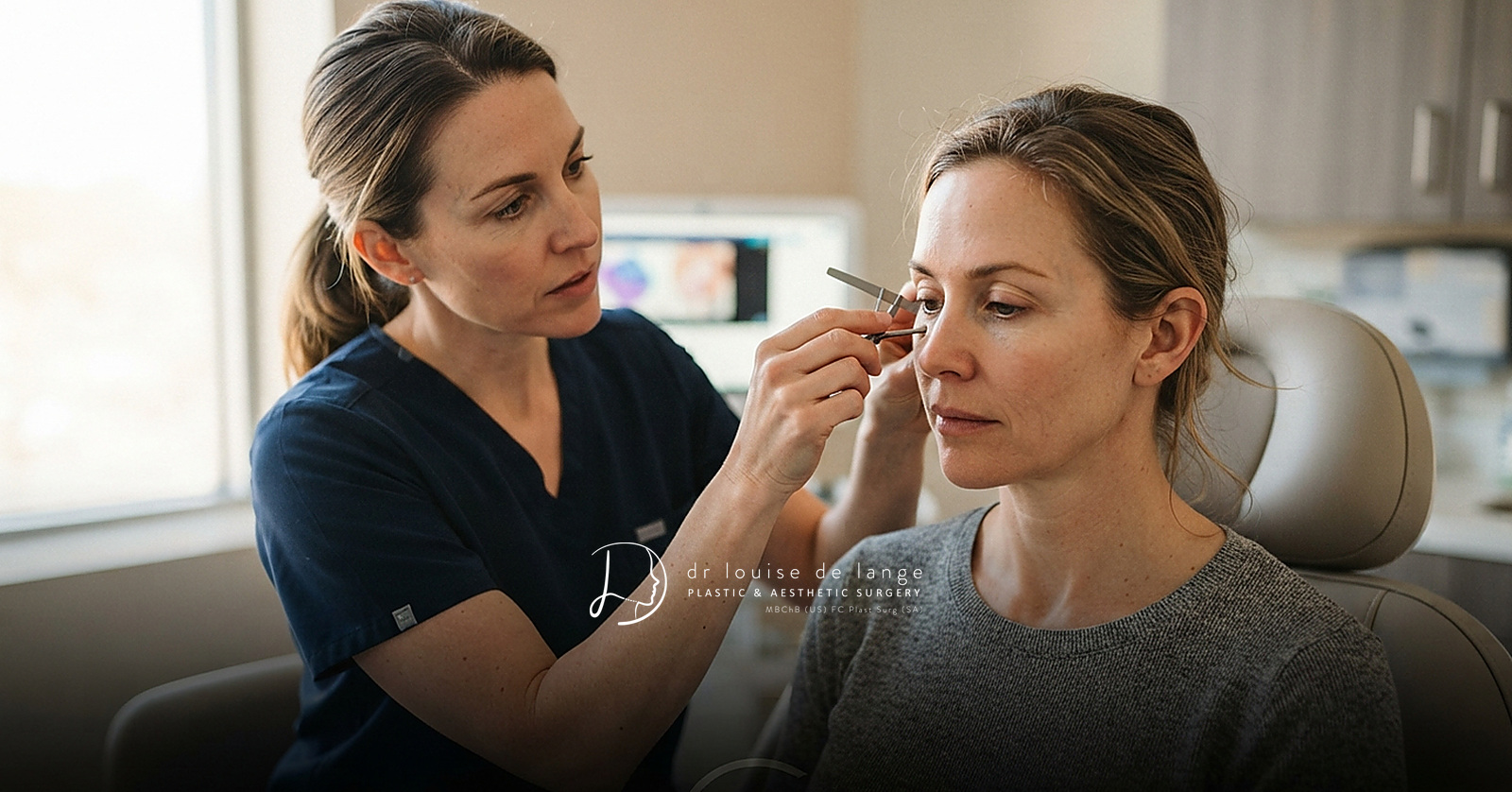
In recent years, dermal fillers have become one of the most requested non-surgical aesthetic treatments, offering a minimally invasive solution to restore volume, smooth wrinkles, and enhance facial contours.
However, one of the most common questions patients ask is not just whether to undergo the treatment, but when is the best time to get dermal fillers.
Understanding the optimal timing involves more than choosing a convenient date. It requires evaluating factors such as age, skin condition, lifestyle, seasonal considerations, and long-term aesthetic goals.
Understanding Dermal Fillers and Their Purpose
Before determining timing, it is essential to understand what dermal fillers are and how they function within the broader field of aesthetic medicine.
What Are Dermal Fillers?
Dermal fillers are injectable substances—most commonly hyaluronic acid-based fillers—used to restore lost volume, enhance facial features, and reduce signs of aging. Popular brands include Juvederm, Restylane, and Teosyal, all designed to integrate naturally into the skin.
These treatments are widely used for:
- Nasolabial folds
- Lip augmentation
- Cheek enhancement
- Jawline contouring
- Under-eye hollows (tear troughs)
Unlike surgical procedures, fillers offer immediate results with minimal downtime, making them appealing to individuals seeking subtle yet effective improvements.
How Long Do Dermal Fillers Last?
The longevity of dermal filler results depends on several variables:
- Type of filler used (e.g., cross-linked hyaluronic acid)
- Treatment area
- Individual metabolism
- Lifestyle habits
On average, results last between 6 to 18 months, which directly influences the timing strategy for maintenance treatments.
When Is the Best Time to Get Dermal Fillers?
Determining the best moment for analyzing multiple dimensions. Below, we explore key factors that influence optimal timing.
Age and Preventative vs. Corrective Treatments
One of the most debated topics in cosmetic dermatology is whether dermal fillers should be used preventatively or reactively.
- Preventative approach (late 20s to early 30s):
Patients begin treatment before significant volume loss occurs. This strategy helps maintain facial structure and skin elasticity, potentially delaying more invasive procedures. - Corrective approach (mid-30s and beyond):
Fillers are used to address visible signs of aging, such as deep wrinkles, sagging skin, and volume depletion.
A personalized treatment plan based on individual anatomy and goals.
Seasonal Considerations: Does Timing Matter?
Seasonality plays a surprisingly important role in scheduling aesthetic treatments.
- Autumn and Winter:
Considered ideal due to reduced sun exposure, which minimizes risks such as post-inflammatory hyperpigmentation. Additionally, cooler weather allows for easier recovery from minor swelling or bruising. - Spring and Summer:
Still viable, but patients must be more diligent about sun protection (SPF use) and avoiding excessive heat, which can exacerbate swelling.
Many clinics report increased demand before major holidays or events, reinforcing the importance of planning treatments at least 2–4 weeks in advance.
Lifestyle and Social Calendar
Your personal schedule should heavily influence when you undergo dermal filler treatment.
- Before important events:
Allow at least two weeks for swelling or bruising to subside. - Work commitments:
While downtime is minimal, some individuals prefer to schedule treatments before weekends. - Fitness routines:
Intense exercise should be avoided for 24–48 hours post-treatment, which may affect timing.
Competitor insights highlight that aligning treatment with low-stress periods improves both physical recovery and psychological satisfaction.
How Often Should You Repeat Dermal Fillers?
Timing is not only about the first treatment but also about maintenance cycles.
Maintenance vs. Overcorrection
Experts recommend gradual maintenance rather than waiting for fillers to completely dissolve.
- Regular top-ups:
Help maintain consistent results and prevent drastic changes. - Avoid overfilling:
Excessive use can lead to unnatural outcomes, often referred to as the “overfilled look”.
Signs It’s Time for a Touch-Up
You may consider a follow-up treatment when:
- Volume begins to diminish
- Wrinkles reappear
- Facial symmetry changes
Risks, Safety, and Timing Considerations
While dermal fillers are generally safe, timing can influence both risk and recovery.
Potential Side Effects
Common side effects include:
- Swelling
- Bruising
- Redness
- Tenderness at injection sites
These are typically temporary but can impact scheduling decisions, especially before important events.
Choosing the Right Practitioner
Selecting an experienced professional ensures:
- Proper injection techniques
- Use of FDA-approved products
- Reduced risk of complications
Strategic Planning: Creating a Long-Term Aesthetic Timeline
Rather than viewing dermal fillers as a one-time procedure, it is more effective to approach them as part of a long-term aesthetic strategy.
Combining Treatments
Dermal fillers are often combined with:
- Botox (botulinum toxin)
- Skin boosters
- Laser treatments
- Chemical peels
Each treatment has its own timing considerations, and combining them strategically enhances overall results.
Personalized Treatment Plans
A well-structured plan considers:
- Age-related changes
- Lifestyle factors
- Budget
- Desired outcomes
This holistic approach is increasingly emphasized in top-ranking content and aligns with modern patient-centered aesthetic care.
Contact us for more information
Whether you are considering dermal fillers for preventative purposes or corrective treatments, the key lies in strategic planning and professional guidance.
By aligning treatment timing with both biological factors and life events, patients can achieve natural, long-lasting results while minimizing risks.
Ultimately, the best time to undergo dermal filler treatment is when it fits seamlessly into a well-informed, personalized aesthetic journey guided by expert practitioners and grounded in evidence-based practices.